Hair Loss Treatment in Antalya
Hair loss may be associated with genetic predisposition, hormonal changes, nutritional deficiencies, stress or scalp disorders. An effective approach therefore begins by identifying the pattern and possible cause rather than focusing only on reducing shedding. At Doç. Dr. Hüray Hügül Clinic, hair loss in women and men is assessed individually and suitable options are planned according to clinical findings.
A personalised medical approach based on the pattern and possible cause of hair loss.
Hair and Scalp Assessment

How is a hair loss treatment plan created?
What causes hair loss?
Genetic and hormonal hair loss
It may appear as a receding hairline or crown thinning in men and as widening of the part or diffuse thinning in women.
Telogen effluvium and diffuse shedding
Diffuse shedding may develop several months after severe stress, fever, surgery, rapid weight loss, childbirth, certain medicines or nutritional deficiencies.
Iron, vitamin and mineral deficiencies
Iron stores, vitamin D, vitamin B12, zinc and protein intake may affect the hair cycle in some people. Supplements should be planned only when a need has been identified.
Thyroid and hormonal changes
Thyroid disease, the postpartum period, menopause and some hormonal conditions may affect hair density.
Alopecia areata
This immune-related condition may cause distinct round patches of hair loss on the scalp or elsewhere and requires medical evaluation.
Scalp disorders
Seborrhoeic dermatitis, fungal infections, psoriasis and inflammatory or scarring scalp conditions may be associated with hair loss.
Traction and damaging practices
Tight hairstyles, extensions, excessive heat, chemical processing and traumatic hair-care practices may damage the hair shaft or follicle.
Is hair loss the same in women and men?
Hair loss in women
- Widening of the part
- Loss of overall volume
- Postpartum shedding
- Menopause-related changes
- Iron deficiency or thyroid problems
- Hormonal conditions
- Traction from tight hairstyles
Hair loss in men
- Receding temples
- Receding frontal hairline
- Thinning at the crown
- Genetic predisposition
- Patchy loss in the beard or scalp
- Scalp disorders
The pattern can provide diagnostic clues, but a reliable assessment should not be based on appearance alone.
What happens during a hair loss assessment?
Detailed history
The onset, duration, family history, medical conditions, medicines, nutrition and stress factors are reviewed.
Hair and scalp examination
The clinician assesses whether loss is diffuse or localised, the thickness of the hair shafts and the condition of the scalp.
Tests when indicated
Depending on the findings, tests such as a blood count, iron stores, thyroid function, vitamins or hormones may be requested; they are not required for every patient.
Personalised plan
The approach is selected according to the cause, duration and extent of loss, general health and individual expectations.
Which options may be considered for hair loss?
Cause-directed medical approach
Suitable topical or systemic options may be considered after medical assessment. Selection depends on individual health and risks; treatment should not be started without professional guidance.
Hair PRP
PRP uses platelet-rich plasma prepared from the patient’s own blood and applied to the scalp. It may be considered as a supportive option in selected types of hair loss; response varies and results cannot be guaranteed.
Hair mesotherapy
Small injections deliver substances whose composition varies with the product and the individual plan. It is not a stand-alone treatment for every cause of hair loss.
Managing deficiencies and associated conditions
Deficiencies or health conditions identified during assessment may be addressed through appropriate medical guidance. Unnecessary supplements are not recommended.
Adjusting hair-care habits
Heat, chemical processing, tight hairstyles and irritating scalp products are among the modifiable factors reviewed.
When should you seek medical advice for hair loss?
- Hair loss begins suddenly
- Visible thinning or recession develops
- Round or localised patches appear
- Redness, scaling, pain or itching accompanies the loss
- Eyebrows or eyelashes are also affected
- Shedding begins after childbirth, illness, surgery or rapid weight loss
- There is a family history of early hair loss
- Hair loss persists
- Hair loss affects quality of life
Prompt medical assessment is advisable when rapid hair loss occurs with inflammation, sores, discharge, severe pain or areas that appear to be scarring.
When can results be assessed?
Why does medical assessment matter?
Hair loss treatment in Antalya
Assoc. Prof. Hüray Hügül Clinic, Antalya
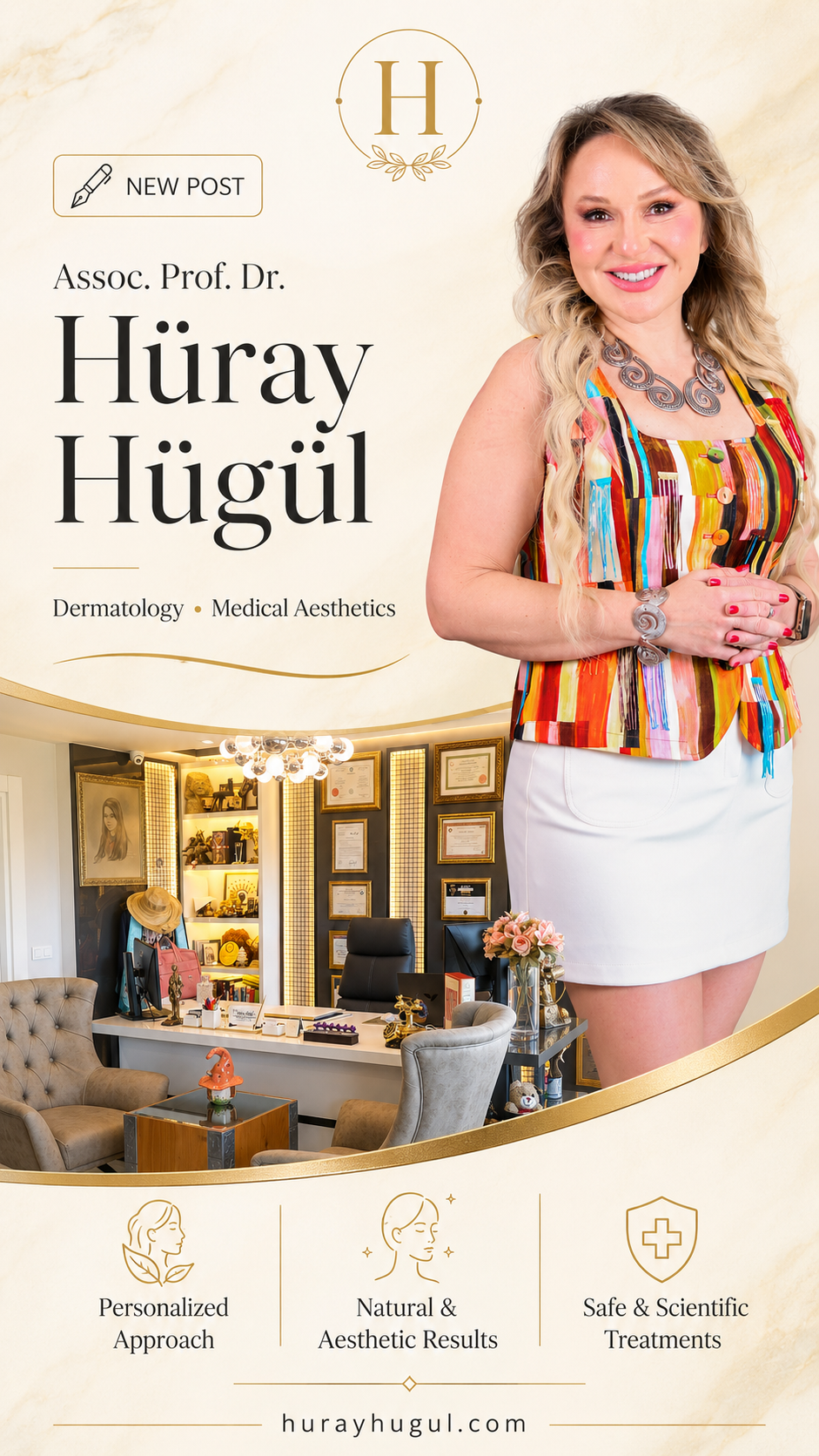
If you are considering a baldness treatment treatment in Antalya, every procedure at our clinic is performed by Assoc. Prof. Hüray Hügül under sterile and safe conditions. Each plan is tailored to the individual, with a focus on natural-looking results.




All images belong to our clinic. Every procedure is carried out in line with hygiene, sterilisation and medical supervision standards. The treatment plan is personalised and defined after consultation.
Frequently Asked Questions
How much daily hair shedding is normal?
How is the cause of hair loss identified?
Can female-pattern hair loss be treated?
Can male-pattern hair loss be stopped completely?
Is hair PRP suitable for everyone?
What is the difference between hair mesotherapy and PRP?
How many sessions are needed?
When will I see a change?
How long does seasonal shedding last?
How is the cost of hair loss treatment determined?
Personalised Assessment
Book an appointment with Assoc. Prof. Hüray Hügül to determine the most suitable approach for Baldness Treatment.
Request an Appointment on WhatsApp