Carbon Laser (Q-switch)
Laser-based applications are planned to support the skin's appearance and create a controlled approach suitable for the targeted area.
The application area is individually assessed according to skin type, needs, and examination findings.

What is Carbon Laser (Q-switched)?
Laser applications are among the methods based on delivering controlled energy to the targeted area. The type of application is determined by the skin structure, regional characteristics, and the planned approach.
Skin Revitalization and Pore Appearance Reduction with Carbon Laser
Carbon laser is one of the aesthetic dermatology applications that helps balance skin tone, reduce the appearance of pores, and provide a more vibrant skin look, based on the principle of the interaction between a special carbon solution applied to the skin surface and Q-Switch laser energy.
What is Carbon Laser?
Carbon laser, also known as “carbon peeling” or “Hollywood peeling,” is a laser-assisted skin care procedure performed by applying a thin carbon solution to the skin surface. During the application, carbon particles adhere to the skin surface and pores. Then, the carbon layer is targeted with Q-Switch laser energy.
This interaction helps reduce excess oil, dirt, dead skin cell accumulation, and dull appearance on the skin surface. At the same time, the controlled stimulation created by the laser energy supports achieving a smoother and brighter skin appearance.
The primary aim of carbon laser is to contribute to a cleaner, more balanced, and more vibrant skin appearance without peeling the skin or creating an intense recovery period.
Relationship Between Q-Switch Laser and Carbon Laser
Q-Switch laser technology is generally used in carbon laser applications. A Q-Switch laser is a laser system that emits very short-duration, high-energy pulses, capable of creating a controlled effect on targeted pigments, carbon particles, or superficial skin irregularities.
The carbon solution acts like an intermediate layer on the skin surface that absorbs laser energy more effectively. When laser pulses target carbon particles, a micro-level cleansing and renewal effect occurs on the skin surface.
Carbon laser differs from classic chemical peeling procedures. It does not aim for intense skin exfoliation. Instead, it offers a supportive approach for pores, oil balance, dullness, and superficial tone irregularities.
Who is Carbon Laser Suitable For?
Carbon laser can be considered for individuals particularly experiencing dullness, enlarged pore appearance, oiliness, blackhead tendency, or superficial tone imbalance in their skin. Before the procedure, the skin type, sensitivity, active skin conditions, and the individual's expectations should be reviewed by a physician.
It can be a supportive care option for skin with pore appearance, shine, and sebum imbalance.
It can help the skin look brighter, cleaner, and more vibrant.
With regular sessions, a more balanced appearance of pores can be aimed for.
The application may not be suitable in cases such as pregnancy, active infection, open wounds, active cold sores, intense skin sensitivity, recent dermatological procedures, or use of photosensitizing medications. Therefore, personal assessment is crucial.
What Skin Concerns is Carbon Laser Used For?
Carbon laser should be regarded not as a miraculous application on its own, but as one of the aesthetic dermatology applications that support skin quality. With regular and properly planned sessions, it can be used for the following skin needs:
- Supporting the reduction of enlarged pore appearance
- Supporting sebum balance in oily and shine-prone skin
- Helping to reduce the dull and tired appearance of the skin
- Reducing the appearance of blackheads and superficial dirt accumulation
- Supporting a more balanced skin tone appearance
- Being considered as part of a care protocol for acne-prone skin
- Contributing to a smoother and fresher skin appearance
In specific conditions such as acne, blemishes, rosacea, melasma, or sensitive skin, carbon laser should not be planned alone. Combined or alternative approaches may be necessary based on the skin diagnosis.
How is Carbon Laser Applied?
The carbon laser application is generally a quick, comfortable procedure with easy return to social life. The application protocol is personalized according to the skin structure.
Skin Assessment
Before the procedure, skin type, pore structure, oil balance, sensitivity, and any active skin problems are evaluated.
Skin Cleansing
The application area is cleansed of makeup, sunscreen, and superficial residues. A clean skin surface ensures more controlled laser energy application.
Application of Carbon Solution
A thin layer of carbon is applied to the skin and left for a short period. During this stage, carbon particles adhere to the skin surface and around the pores.
Q-Switch Laser Pulses
Laser pulses target the carbon layer. A slight crackling sound and a warm sensation may occur during this. The procedure usually does not cause significant pain.
Moisturizing and Sun Protection
After the procedure, the skin is soothed, moisturized, and sunscreen is applied. Afterwards, the individual can usually return to their daily life.
How Many Carbon Laser Sessions Are Performed?
The number of sessions varies depending on the individual's skin structure, pore appearance, oiliness, and desired outcome. While some individuals may notice a brighter appearance after a single session, regular sessions may be required for issues such as pore and sebum balance.
Can take approximately 20 to 30 minutes.
Generally, sessions can be planned at intervals of 2 to 4 weeks.
Most individuals can continue their daily lives after the procedure.
For a lasting and balanced skin care outcome, carbon laser can be planned in conjunction with proper home care, sun protection, and other dermatological applications when necessary.
What Should Be Considered After Carbon Laser?
After carbon laser, the skin may generally be slightly pink and sensitive. This condition is often short-lived. In the post-procedure period, a skin care approach that is gentle and supports the skin barrier should be preferred.
- On the first day, avoid hot showers, saunas, Turkish baths, and intense steam applications.
- The skin should not be rubbed, and harsh scrubs or peels should not be used.
- Sunscreen should be used regularly.
- On the first day, avoid products with intense active ingredients, acids, or retinoids.
- The skin should be moisturized to provide barrier support.
- Aggressive applications other than the skin care products recommended by the physician should be avoided.
Sun protection is important after carbon laser. For individuals prone to blemishes, sun exposure and inadequate protection can increase the risk of tone irregularities.
What Are the Advantages of Carbon Laser?
Carbon laser can be a practical skin renewal option, especially for individuals who do not desire an intense recovery period. It aims for a cleaner, more vibrant, and more balanced appearance on the skin surface.
- Can be applied in a short time.
- Generally allows a quick return to daily life.
- Can create a brighter and fresher appearance on the skin.
- Can support sebum balance in oily and combination skin.
- Can help reduce the appearance of pores.
- Can be combined with other skin care protocols.
- Can be personalized according to season and skin condition.
For best results, carbon laser should be planned according to the individual's skin needs, and post-procedure care recommendations must be followed. Not every skin responds in the same way, so a physician's assessment is decisive for the success of the care.
Frequently Asked Questions About Carbon Laser
Does carbon laser cause pain?
During the procedure, there is usually a mild sensation of warmth and a crackling sound. Most people tolerate the application comfortably. The sensation may vary depending on skin sensitivity.
Does the face peel after carbon laser?
Carbon laser does not aim for intense peeling like classic exfoliating peels. There might be mild dryness or sensitivity, but significant scabbing is generally not expected.
Is carbon laser good for blemishes?
It can help the skin appear more balanced in cases of superficial tone irregularities. However, for melasma, sun spots, or deep pigment concerns, different laser and care protocols may be required.
Is carbon laser good for acne?
It can be considered as part of a care protocol for oily and acne-prone skin. For active, inflamed, or severe acne, a dermatological assessment should be performed first.
How many days does it take for carbon laser to show its effect?
A feeling of brightness and cleanliness in the skin may be noticed by some individuals starting from the first few days. For effects like pore and oil balance, regular sessions may be needed.
Can carbon laser be done in summer?
The decision should be made by evaluating skin type, sun exposure, and tendency for blemishes. Sun protection after the procedure is very important. During periods of intense sun exposure, the physician may recommend a different timing.
What is the difference between carbon laser and chemical peeling?
Chemical peeling creates a controlled exfoliating effect on the skin surface with chemical agents. In carbon laser, a carbon solution and Q-Switch laser energy are used together. The aim is primarily to cleanse the skin surface, reduce the appearance of pores, and support vitality.
Can makeup be applied after carbon laser?
It is recommended that the skin rests during the first hours after the procedure. The timing for makeup application may vary depending on individual skin sensitivity and the physician's recommendation.
Skin Assessment for Carbon Laser
If you experience dullness, enlarged pore appearance, oiliness, or tone imbalance in your skin, you can get a physician's assessment to find out if carbon laser application is suitable for you.
Make an Appointment and Get InformationWho Might It Be Suitable For?
How Does the Planning Process Proceed?
Assoc. Prof. Hüray Hügül Clinic, Antalya
If you are considering a carbon laser (q-switch) treatment in Antalya, every procedure at our clinic is performed by Assoc. Prof. Hüray Hügül under sterile and safe conditions. Each plan is tailored to the individual, with a focus on natural-looking results.

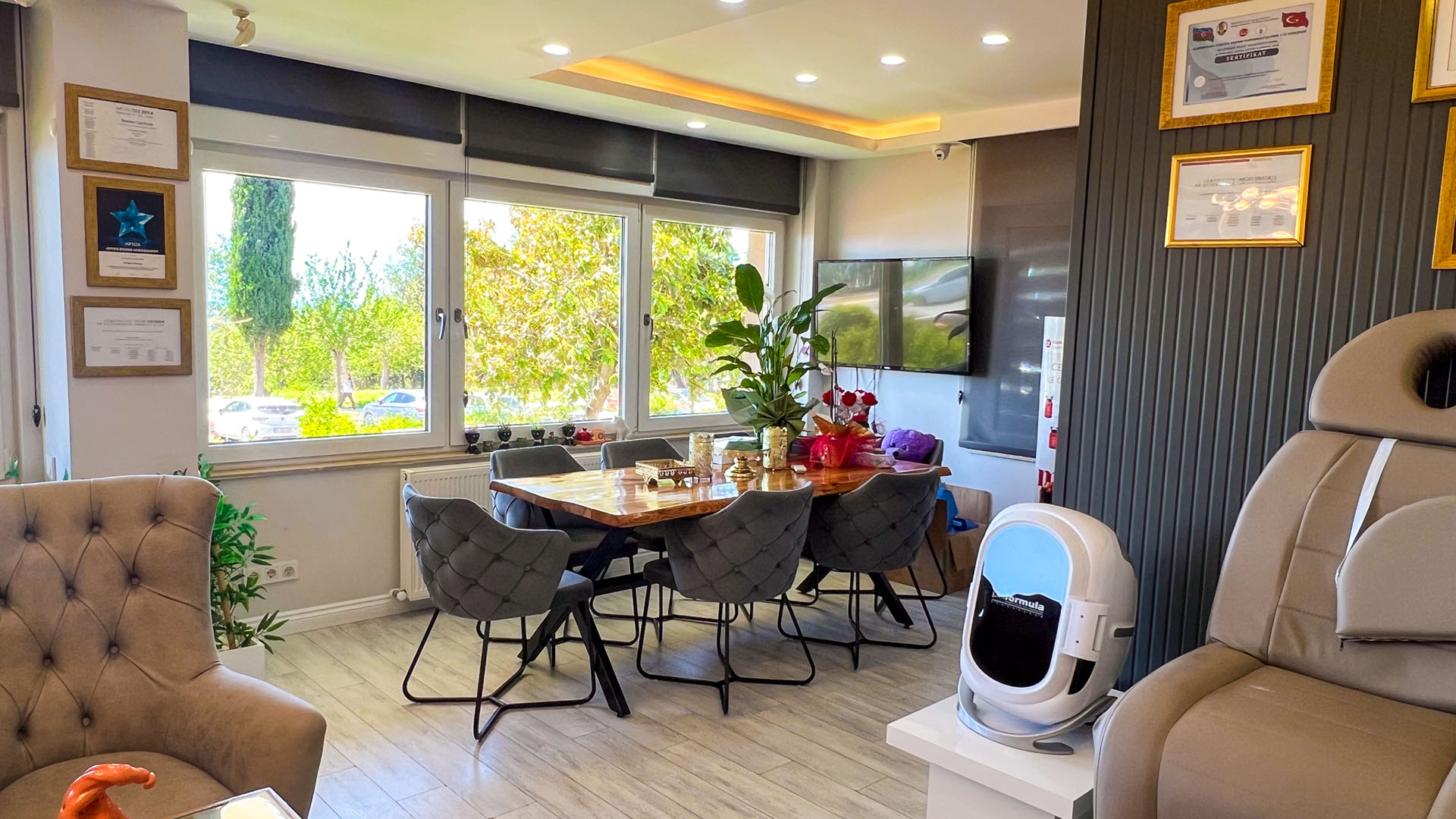
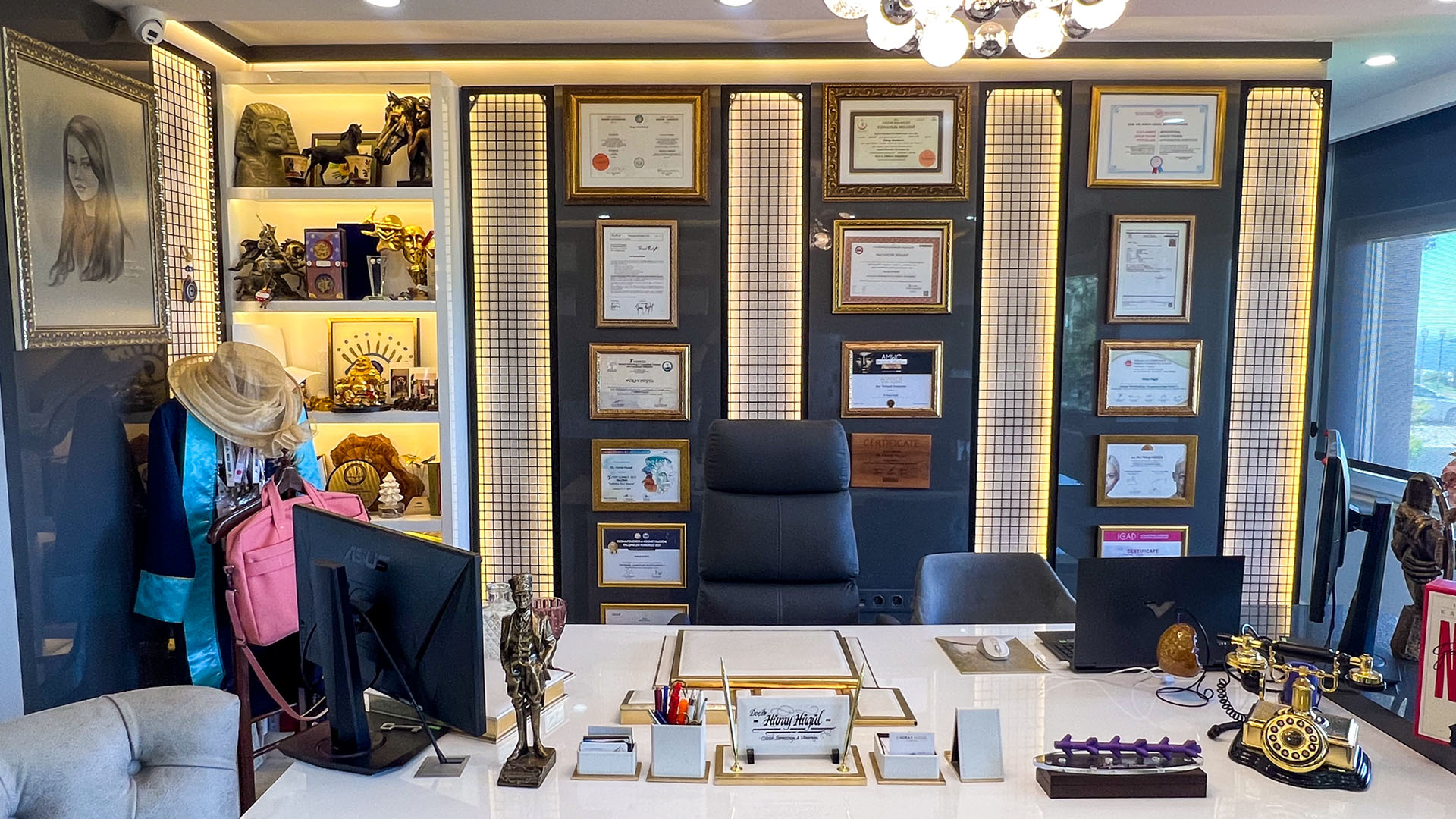
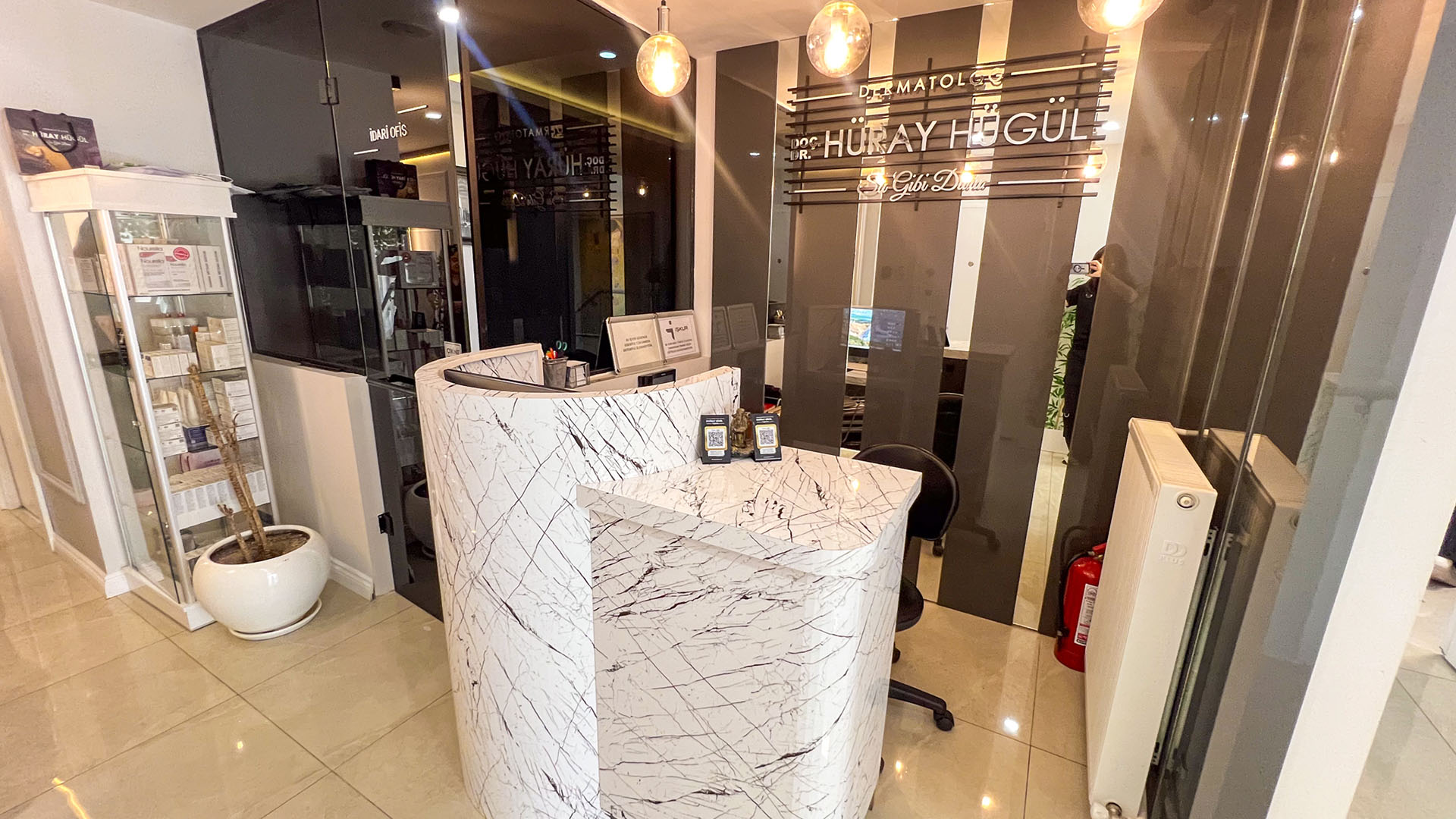
All images belong to our clinic. Every procedure is carried out in line with hygiene, sterilisation and medical supervision standards. The treatment plan is personalised and defined after consultation.
Frequently Asked Questions
Is Carbon Laser (Q-switched) applied to everyone in the same way?
Is this application planned for everyone in the same way?
Why is the examination important?
Can a natural look be preserved?
Personalised Assessment
Book an appointment with Assoc. Prof. Hüray Hügül to determine the most suitable approach for Carbon Laser (Q-switch).
Request an Appointment on WhatsApp
Fractional Laser in Antalya: Which Skin Concerns Does It Address?
Fractional laser application in Antalya: how it works for acne scars, blemishes, enlarged pores, and skin rejuvenation, how many sessions it takes, and what the recovery process is like.

Spot Care Antalya: An Approach to Melasma and Sun Spots
Differences between melasma, sun spots, and post-acne darkening; the two fundamental pillars of spot reduction approaches in Antalya's high UV load.
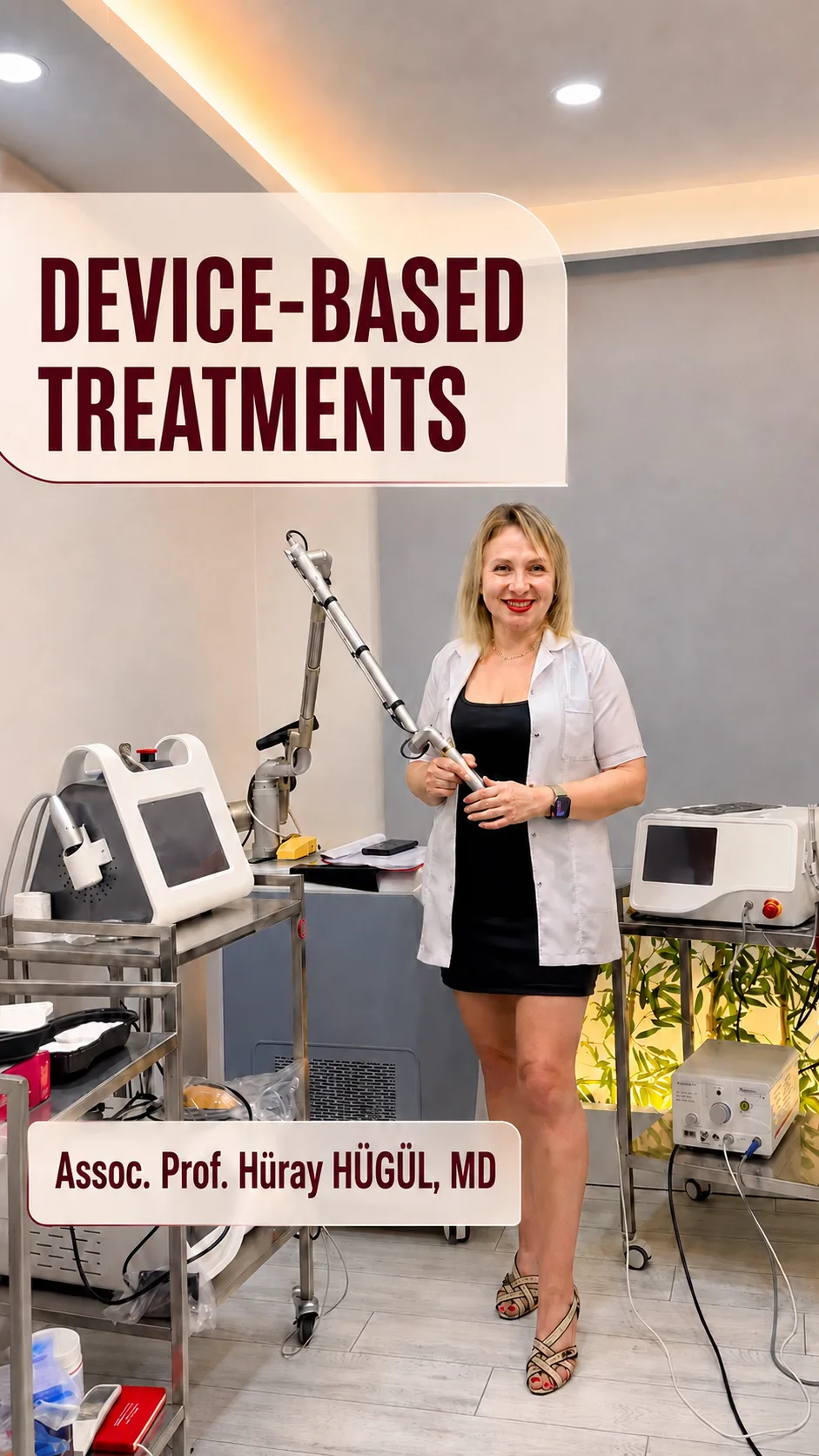
Device Applications: For What Purposes Are They Used in Aesthetic Dermatology?
Device applications used in aesthetic dermatology can be tailored to various needs, from skin rejuvenation to reducing the appearance of spots and scars. Learn how the appropriate device and application protocol are determined.