Scar Care Antalya
Scar Aesthetics and Acne Scar Care
Scar care includes personalized aesthetic dermatology applications aimed at reducing the appearance of scars, acne scars, surgical scars, and post-traumatic skin marks.
Scar care encompasses personalized aesthetic dermatology approaches planned according to the type, depth, and skin structure of scars, including those from wounds, acne, surgery, and post-traumatic skin irregularities.
What is Scar Application?
This application is planned after a dermatological evaluation of the relevant skin appearance. A controlled approach is established taking into account regional characteristics and the person's general skin structure.
What is Scar Care?
Scar care refers to the general term for aesthetic dermatology applications aimed at improving the appearance of scars formed on the skin after wounds, acne, surgery, burns, cuts, or trauma. In common parlance, these applications are often sought as wound scar care, scar aesthetics, acne scar care, or skin scar care.
Scars are not all of one type. Some scars are sunken, some are raised, some are reddish, some are dark-colored, and some create a wavy texture on the skin surface. Therefore, the first step in scar care is to correctly identify the character of the scar. The skin here is like a small map; the direction, depth, and texture of the scars determine the compass of the care plan.
Which Scars Can Scar Care Address?
Scar care can be planned with different methods depending on the type of scar and skin structure. The most common types of scars considered are:
Physician Assessment
The right start in scar care is not just looking at the scar's external appearance. Details such as when the scar formed, where it is located, whether there is elevation or depression in the skin, whether discoloration is present, and whether the person has a keloid predisposition are evaluated.
This assessment helps determine whether the scar is active, mature, superficial, or deep. Especially with acne scars, multiple scar types may be present on the same face. Therefore, the care plan usually relies on a combined approach rather than a single procedure, tailored to the need.
Personalized Planning
There is no standard prescription for scar care. The same scar can heal completely differently in two different individuals. Skin tone, skin thickness, scar age, scar depth, the individual's healing capacity, and social recovery expectations all influence the care plan.
The aim during planning is to reduce the appearance of the scar in a controlled manner and to make the skin texture more balanced, without unnecessarily traumatizing the skin. While laser applications may be prioritized for some individuals, for others, subcision, mesotherapy, chemical peels, or filler-supported methods may be considered together.
Methods Available for Scar Care
The method to be used for scar aesthetics is determined by the type of scar. After assessment, one or more of the following applications may be planned for combined use:
- Laser applications: Can be preferred to support irregularities, color differences, and tissue quality on the skin surface.
- Fractional laser or energy-based systems: May help support skin regeneration and collagen formation.
- Subcision: Can be applied in some sunken acne scars to release fibrotic bands under the skin.
- Mesotherapy and skin regenerating applications: Can be used to support the quality of the skin around the scar.
- Chemical peeling: Can be considered for superficial pigmentation and tissue irregularities in suitable skin types.
- Filler-supported approaches: Can be planned for volume support in suitable cases of sunken scars.
- Keloid and raised scar approaches: Different medical care protocols may be required for raised scars.
Acne Scar Care
Acne scar care is planned to reduce the appearance of pitted, pore-like, wavy, or hard textured scars, especially those formed on the face after acne. Acne scars can be icepick, boxcar, rolling, or mixed types.
Therefore, acne scars often require a combined care approach. Laser, subcision, mesotherapy, chemical peels, or filler-supported applications can be considered together, depending on the scar type. The goal is to support a smoother and more homogeneous appearance of the skin surface.
Scar Care for Surgical and Trauma Scars
Surgical scars and scars formed after trauma can be linear or irregular in structure. In some scars, redness may be prominent, while in others, elevation, depression, or a sensation of hardness may be observed.
The timing of initiating care is important for these types of scars. The approach for newly formed scars may differ from that for older scars. During the physician's assessment, the scar's color, thickness, surface structure, and the tension it creates on the skin are examined to determine the appropriate protocol.
Who Is Scar Care Suitable For?
Scar care can be considered for individuals bothered by wound scars, acne scars, surgical scars, or skin scars after trauma. However, the decision for application should be made based on the scar type and the individual's skin structure.
- Individuals with prominent scars on the face or body,
- Those experiencing pitted or textural irregularities after acne,
- Those wishing to reduce the appearance of scars after surgery,
- Individuals with scar problems after trauma, cuts, or burns,
- Those with color and texture unevenness on the skin surface may apply for an assessment.
In cases of active infection, open wounds, uncontrolled skin conditions, or keloid predisposition, the care plan must be devised with extra caution.
How Many Sessions Does Scar Care Take?
The number of sessions for scar care is not standard. Factors such as whether the scar is new or old, superficial or deep, raised or sunken, influence the session plan. While a few sessions may suffice for some mild scars, a longer process may be needed for deep acne scars or old wound scars.
Improvement generally progresses gradually. Since skin regeneration and collagen formation take time, results are assessed between and after sessions.
Recovery Process After Scar Care
The recovery process varies depending on the method applied. While mild redness and sensitivity may subside quickly after some procedures, laser or more intensive skin rejuvenation procedures may require a few days of social recovery time.
Post-application sun protection, non-irritating skincare products, and the physician's recommended care protocol are important. Especially for skin prone to pigmentation, sun protection is one of the most crucial steps to support the success of the application.
Frequently Asked Questions
Does scar care completely remove the scar?
The aim of scar care is not always to completely erase the scar. The goal is to reduce the visibility of the scar, make the skin surface more balanced, and improve tissue quality. Results vary depending on the scar type, depth, and skin structure.
Is wound scar care the same as scar care?
Yes. Scar is a medical term used to mean wound scar. Therefore, scar care is also known as wound scar care or scar aesthetics in common parlance.
Which methods are used in acne scar care?
For acne scars, laser, fractional applications, subcision, mesotherapy, chemical peels, or filler-supported methods can be considered. Which method is suitable is determined by the type of scar.
Can old wound scars be addressed?
Care options can also be considered to reduce the appearance of old wound scars. However, for old and deep scars, expectations should be more realistic, and it should be understood that improvement will be gradual.
Can scar care be performed for individuals with keloids?
The care plan for individuals with a tendency for keloids must be devised with more caution. Different medical approaches may be required for raised and growth-prone scars. Therefore, a physician's assessment is absolutely necessary.
Who Might It Be Suitable For?
How Does the Planning Process Proceed?
Which Areas Are Treated?
Assoc. Prof. Hüray Hügül Clinic, Antalya
If you are considering a scar treatment treatment in Antalya, every procedure at our clinic is performed by Assoc. Prof. Hüray Hügül under sterile and safe conditions. Each plan is tailored to the individual, with a focus on natural-looking results.


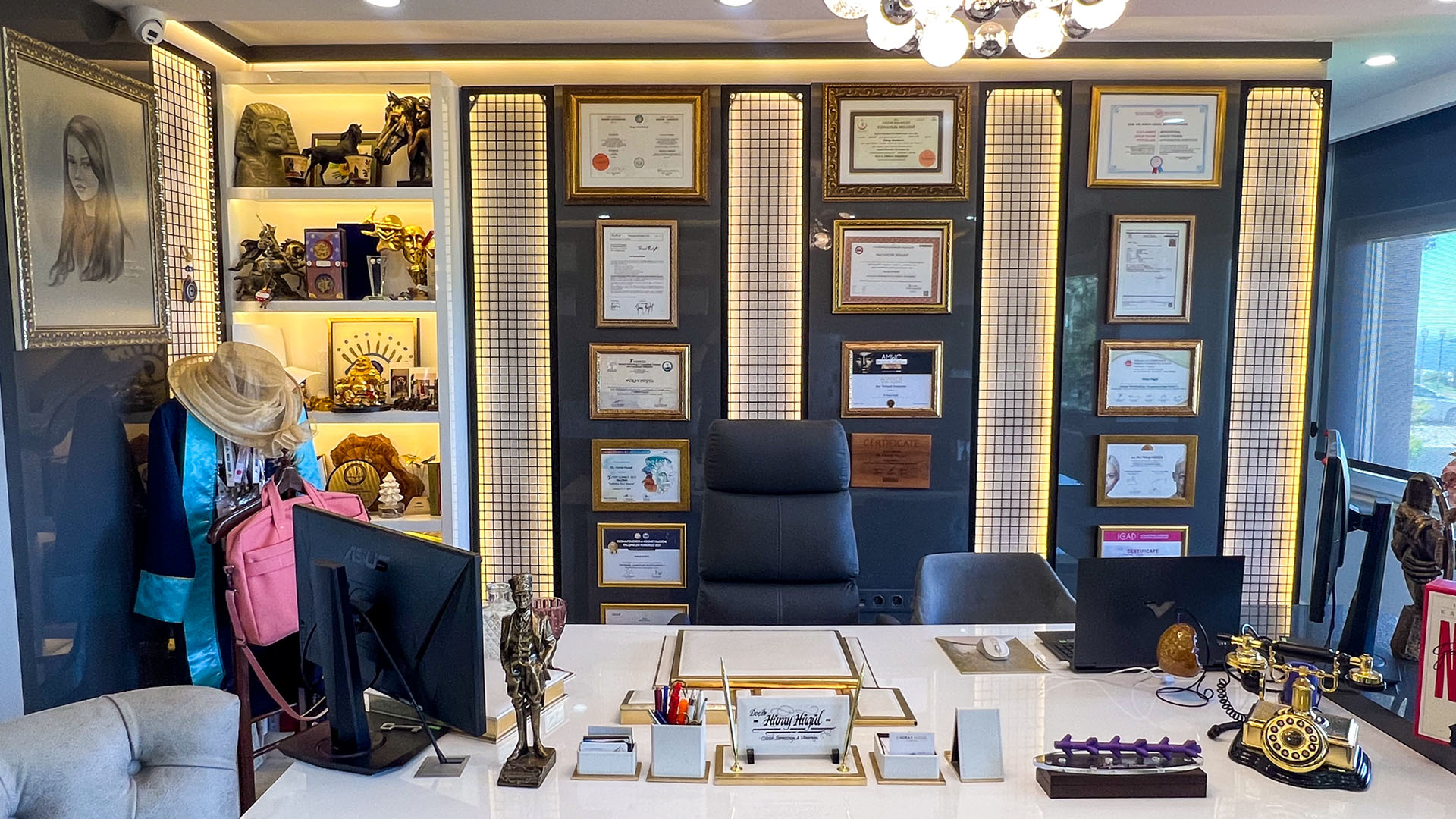
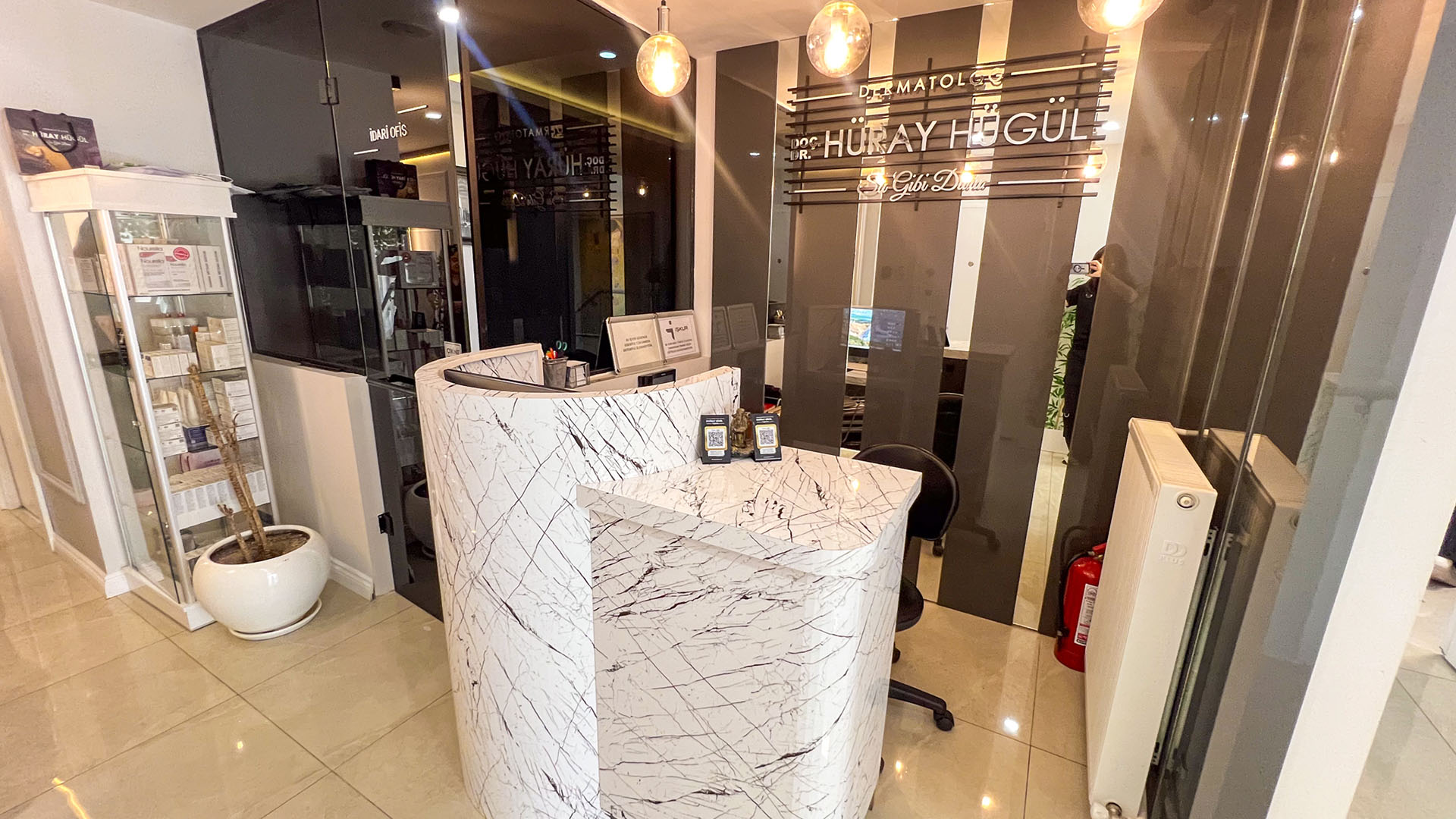
All images belong to our clinic. Every procedure is carried out in line with hygiene, sterilisation and medical supervision standards. The treatment plan is personalised and defined after consultation.
Frequently Asked Questions
Does scar care completely eliminate the scar?
Is wound mark care the same as scar care?
What methods are used in acne scar care?
How many sessions does scar care take?
Can old wound marks be cared for?
Can scar care be performed on individuals with keloids?
Personalised Assessment
Book an appointment with Assoc. Prof. Hüray Hügül to determine the most suitable approach for Scar Treatment.
Request an Appointment on WhatsApp