Psoriasis Care
This approach is planned after a dermatological evaluation according to the needs of the skin or the relevant area for appearance and comfort.
The aim is to create a controlled approach tailored to the individual's skin structure and needs.

What is Psoriasis Care?
This application is planned after a dermatological evaluation for the relevant skin condition. A controlled approach is developed, taking into account regional characteristics and the individual's overall skin structure.
Psoriasis Care Antalya
Psoriasis, medically known as psoriasis; is a chronic, immune system-related skin condition that can manifest with redness, thickening, a whitish-scaly appearance, itching, and sometimes cracking of the skin. Although most commonly seen on the knees, elbows, scalp, lower back-tailbone area, and nails, it can affect various parts of the body.
Psoriasis is not contagious. It does not spread through person-to-person contact. However, due to its nature of flaring up and subsiding periodically, accurate diagnosis and personalized dermatological follow-up are crucial. In Antalya, Assoc. Prof. Dr. Hüray Hügül evaluates psoriasis concerns considering the type and extent of the condition, skin findings, accompanying complaints, and the individual's lifestyle.
Important: There is no single universal approach suitable for everyone with psoriasis. The goal is to control flares, reduce symptoms such as itching and scaling, support the skin barrier, and improve quality of life.
What is Psoriasis?
In psoriasis, immune system-related processes lead to skin cells renewing faster than normal. As a result of this acceleration, accumulated cells on the skin surface can appear as red, raised, and scaly plaques. The severity of the condition varies from person to person; in some individuals, small and limited areas are affected, while in others, a more widespread presentation may occur.
Psoriasis is a chronic condition; instead of a definitive approach that suggests complete elimination, the aim is to control symptoms and manage the condition long-term using current dermatological options.
What are the Symptoms of Psoriasis?
Psoriasis symptoms can vary depending on the type and location of the condition. The most common findings include:
- Red, raised areas on the skin covered with white-silver scales
- Itching, burning, sensitivity, or a feeling of tightness
- Dryness, cracking, and sometimes bleeding in certain areas
- Thick scaling on the scalp resembling severe dandruff
- Pitting, thickening, discoloration, or separation of the nail from its bed
- Thickening, cracking, and pain on the palms and soles of the feet
- Suspicion of psoriatic arthritis accompanied by joint pain, morning stiffness, or swelling
Similar-looking rashes can also be associated with eczema, fungal infections, seborrheic dermatitis, or other skin conditions. Therefore, instead of self-application, an accurate diagnosis should be established through a dermatological examination.
What Causes Psoriasis?
There is no single cause for psoriasis. Genetic predisposition, immune system response, and environmental factors are thought to play a combined role. The risk may increase in individuals with a family history of psoriasis; however, having a family history does not necessarily mean the condition will develop.
Factors that can trigger or worsen flares in some individuals include:
- Intense stress and irregular sleep
- Infections such as upper respiratory tract infections
- Cuts, burns, irritation, or trauma to the skin
- Cold and dry weather conditions
- Smoking and alcohol consumption
- Excess weight and metabolic risks
- Certain medications
- Irritating products used without dermatologist's recommendation
Types of Psoriasis
Psoriasis can manifest with different clinical appearances. The most common form is plaque psoriasis. Additionally, scalp psoriasis, nail psoriasis, guttate psoriasis, inverse psoriasis affecting skin folds, and palmoplantar involvement can also be observed.
The location and type of the condition directly influence the products to be used, the need for light applications, systemic options, and the follow-up plan. Especially the scalp, face, genital area, nails, and intertriginous areas are more sensitive and may require special planning.
How is Psoriasis Care Provided?
Psoriasis care is planned according to the extent of the condition, the location of skin involvement, the severity of symptoms, previously used approaches, and the individual's general health status. While local applications may be sufficient for mild and limited psoriasis, different options may be considered for more widespread or resistant cases.
After dermatological evaluation, one or more of the following approaches can be customized for the individual:
- Moisturizing and emollient care products that support the skin barrier
- Prescription topical applications
- Region-specific application approaches for scalp and nail involvement
- Phototherapy, which is controlled light application
- Systemic oral approaches for suitable patients
- Biological options for appropriate cases of moderate to severe intensity
- Evaluation in collaboration with relevant specialists if joint involvement is suspected
Regular check-ups are important during the care process. Especially for individuals requiring systemic or biological approaches, pre-application evaluations and the follow-up plan are determined by the physician.
Phototherapy for Psoriasis
Phototherapy is the controlled application of light at specific wavelengths under the supervision of a dermatology specialist. For widespread plaque psoriasis and some resistant cases, it can be one of the application options for suitable patients. The number and frequency of sessions are determined based on the extent of the condition, skin type, and response to the application.
Not every light application is suitable for psoriasis. Solariums are not a substitute for dermatological phototherapy, and uncontrolled ultraviolet exposure can pose risks to the skin.
Skin Care and Daily Life with Psoriasis
Alongside medical approaches for psoriasis, daily skin care is an important part of the process. Using non-irritating products, regular moisturizing, and recognizing triggers can support symptom control.
- Choosing fragrance-free cleansers suitable for sensitive skin
- Taking warm, short showers and avoiding hot water
- Gently drying the skin after showering and applying an appropriate moisturizer
- Avoiding picking at plaques and trying not to scratch
- Observing personal triggers such as stress, smoking, alcohol, and sleep patterns
- Avoiding prolonged use of corticosteroid or strong-ingredient products without a doctor's recommendation
Frequently Asked Questions About Psoriasis Care
Is psoriasis contagious?
No. Psoriasis is not contagious; it does not spread from person to person through contact, sharing personal items, or being in the same environment.
Does psoriasis completely go away?
Psoriasis is a chronic condition that can show periodic flares. With current applications, symptoms can be largely controlled, and long periods of remission can be achieved. The care plan varies for each individual.
Does psoriasis cause hair loss?
Intense scaling and itching on the scalp can be accompanied by temporary hair loss. Applications that irritate the scalp and intense scratching can worsen the condition. Scalp involvement should be evaluated with appropriate care.
Does psoriasis affect the joints?
In some individuals, joint pain, swelling, morning stiffness, or swelling in the fingers may occur in addition to psoriasis. These symptoms may require evaluation for psoriatic arthritis.
Which doctor should be consulted for psoriasis?
The diagnosis and follow-up of psoriasis are performed by a dermatology specialist. If joint involvement is suspected, follow-up may be planned in collaboration with relevant specialists such as rheumatology.
Psoriasis Care in Antalya
If you are experiencing recurrent redness, scaling, itching, severe crusting on the scalp, or nail changes, you can schedule a dermatological examination to evaluate for psoriasis and similar skin concerns. For psoriasis care in Antalya, you can contact Assoc. Prof. Dr. Hüray Hügül.
Who Might It Be Suitable For?
How Does the Planning Process Proceed?
Assoc. Prof. Hüray Hügül Clinic, Antalya
If you are considering a psoriasis care treatment in Antalya, every procedure at our clinic is performed by Assoc. Prof. Hüray Hügül under sterile and safe conditions. Each plan is tailored to the individual, with a focus on natural-looking results.

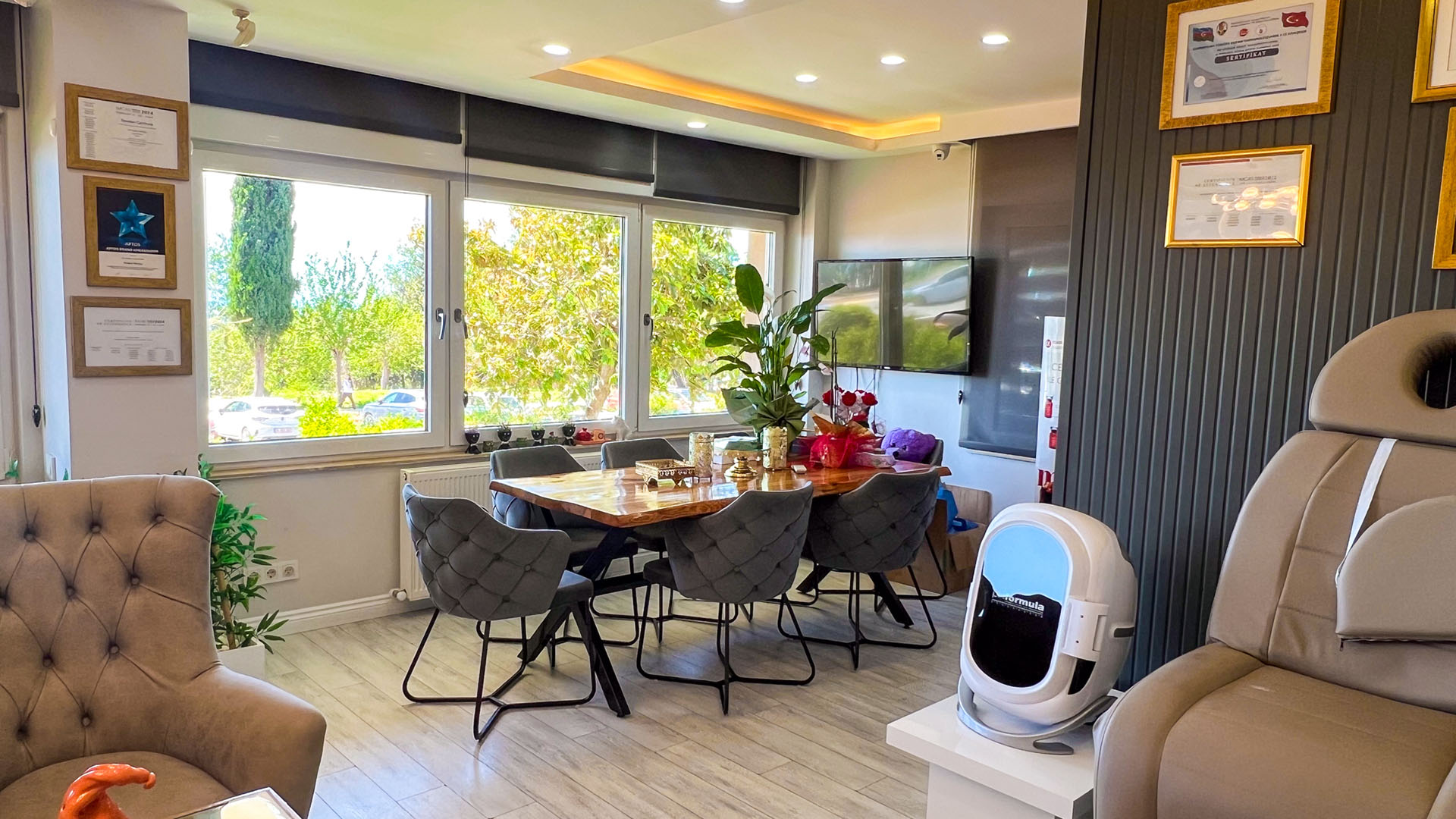

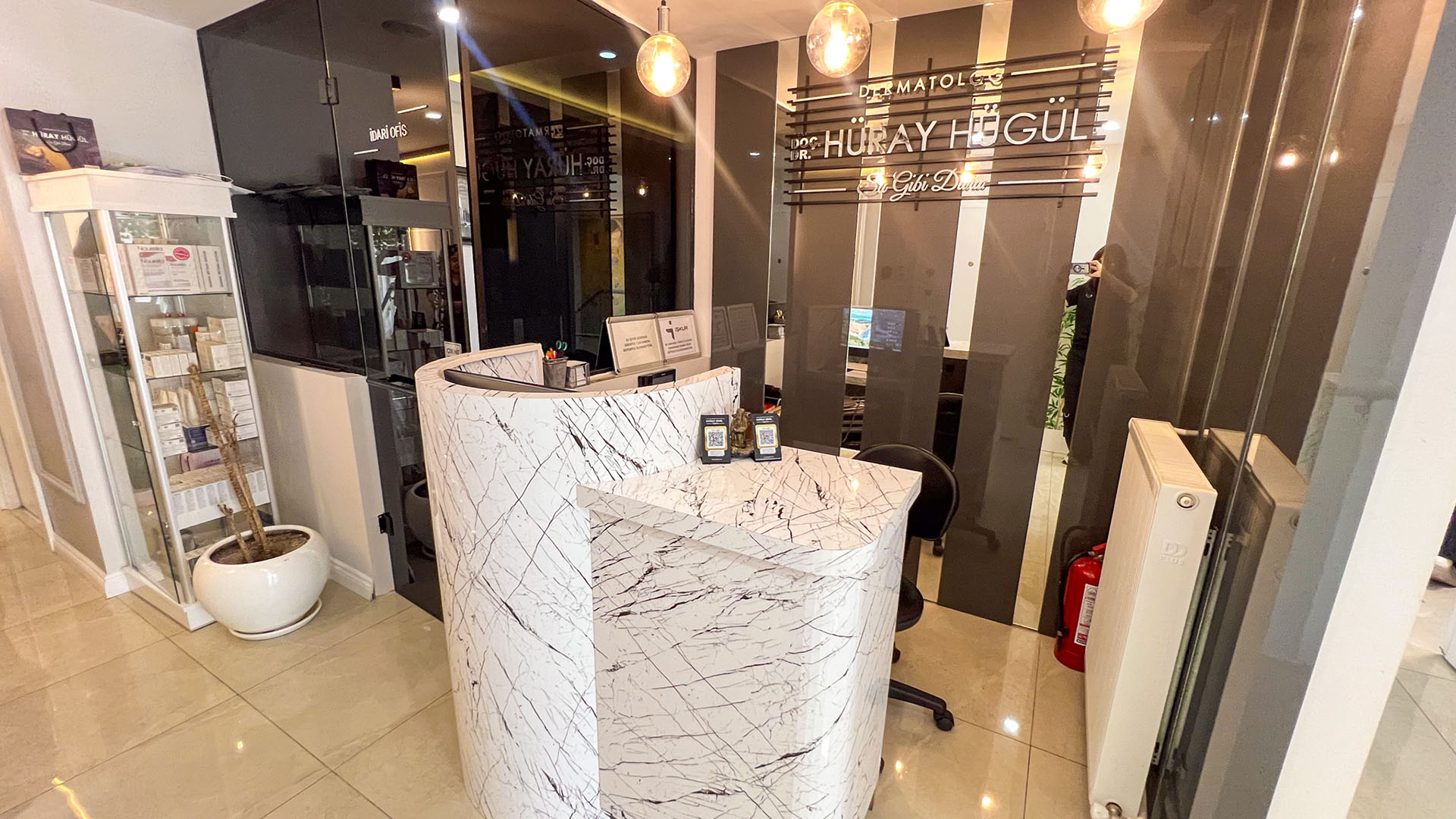
All images belong to our clinic. Every procedure is carried out in line with hygiene, sterilisation and medical supervision standards. The treatment plan is personalised and defined after consultation.
Frequently Asked Questions
In which cases can Psoriasis approach be considered?
Is this application planned in the same way for everyone?
Why is the examination important?
Can a natural look be preserved?
Personalised Assessment
Book an appointment with Assoc. Prof. Hüray Hügül to determine the most suitable approach for Psoriasis Care.
Request an Appointment on WhatsApp