Nail Extraction
This procedure is among the physician-administered applications planned in accordance with dermatological evaluation and clinical needs.
The scope and method of the application are clarified according to the findings obtained during the examination.
What is Nail Extraction?
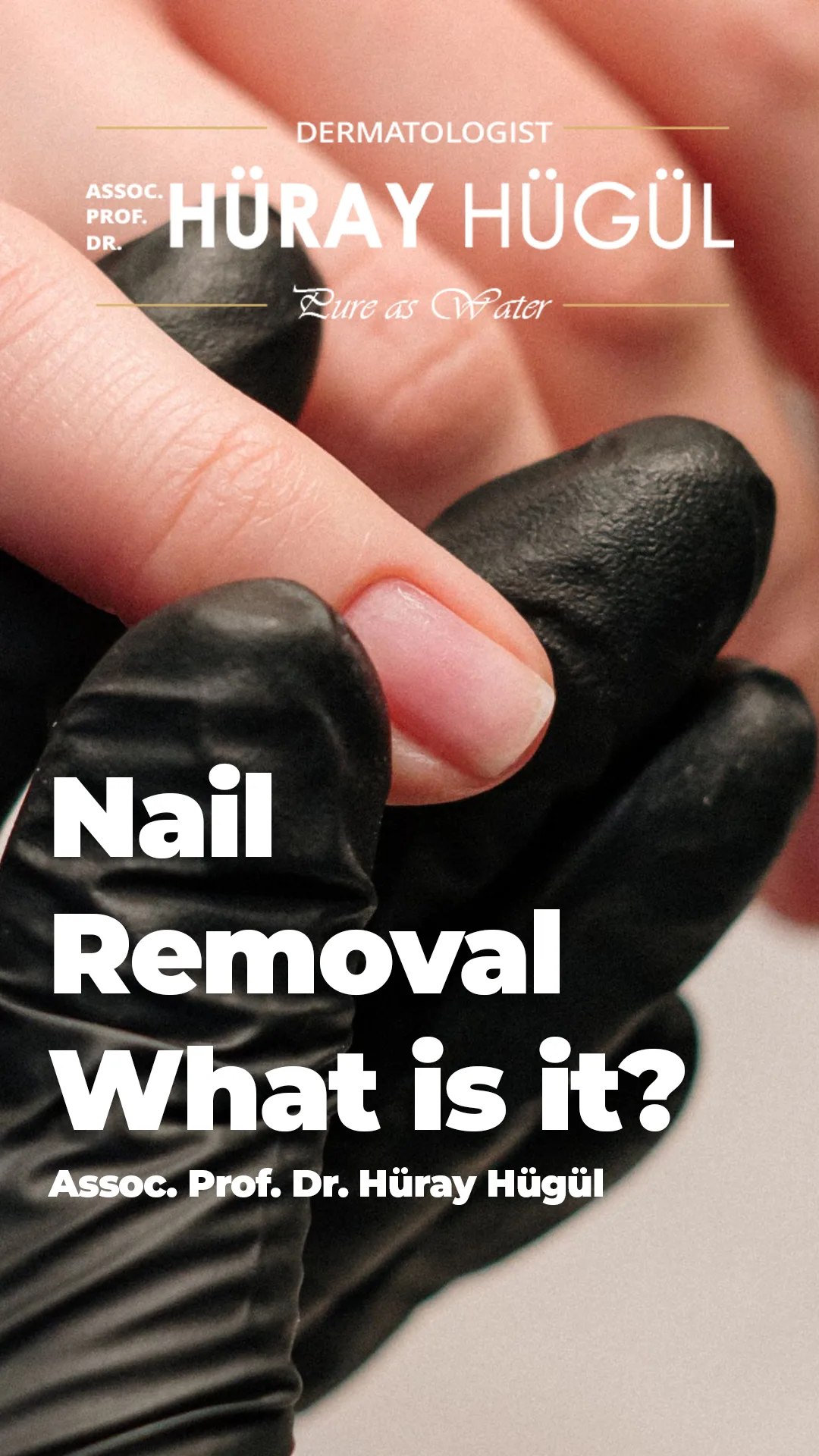
This procedure is among the clinical applications planned when deemed necessary as a result of dermatological evaluation. The aim is to create a procedure process suitable for diagnosis, evaluation, or regional need.
Nail Avulsion and Ingrown Toenail Care
An ingrown toenail is a nail problem that can lead to pain, redness, swelling, and sometimes infection, as the edge of the nail presses into or grows into the surrounding skin tissue. Although it is most commonly seen on the big toe, it can also occur on other toes.
Not every ingrown toenail requires nail avulsion. The approach to be applied is determined by the severity of the ingrown nail, the presence of infection, the nail structure, and whether the problem recurs. In necessary cases, only the problematic part of the nail, or more rarely, the entire nail, may be removed.
What are the Symptoms of an Ingrown Toenail?
Early symptoms of an ingrown toenail often begin with tenderness and mild redness at the nail edge. As the problem progresses, the following complaints may be observed:
- Pain and tenderness at the nail edge
- Redness and swelling
- Pain when wearing shoes or walking
- Discharge or inflammation around the nail
- Formation of elevated, easily bleeding tissue
- Recurrent ingrowth in the same area
- Thickening or change in nail shape
What Causes an Ingrown Toenail?
An ingrown toenail may not be due to a single cause. Commonly encountered factors include:
- Cutting nail corners too deeply or roundly
- Wearing narrow, pointed-toe shoes
- Curved nail structure
- Trauma to the foot or nail
- Improper pedicure applications
- Prolonged dampness of feet and excessive sweating
- Diseases causing nail thickening
- Sports and activities that create repetitive pressure
- Structural or familial predisposition
When planning care, it is important to evaluate not only the ingrown area but also the factors contributing to the problem.
Is the Nail Always Removed for Every Ingrown Toenail?
No. In mild and newly developing cases, conservative approaches aimed at preserving the nail may be sufficient. In advanced, inflamed, or frequently recurring cases, an interventional procedure may be necessary.
Based on the examination results, the following options may be considered:
- Conservative care and proper nail trimming
- Appropriate dressings and topical applications
- Freeing the ingrown part of the nail
- Partial nail avulsion
- Procedure targeting the problematic part of the nail matrix
- Complete nail avulsion in cases deemed necessary
The method to be applied is planned individually, considering the nail structure, severity of symptoms, infection status, and the person's general health characteristics.
In Which Cases Can Nail Avulsion Be Considered?
Nail avulsion or removal of the problematic part of the nail may be considered in the following situations:
- Recurrent ingrown toenail
- Severe pain and tenderness
- Persistent inflammation around the nail
- Development of elevated and easily bleeding tissue
- Severe nail deformity
- Persistence of the problem despite other approaches
- Presence of a condition under a damaged nail requiring examination or care
The decision on whether partial or complete nail removal is necessary is made after examination.
How Is Nail Avulsion Performed?
Nail avulsion involves the removal of only the problematic part or the entire nail plate, depending on the scope of the procedure. Before the procedure, the toe is numbed with local anesthesia. Depending on the nature of the problem, the ingrown edge of the nail may be removed, or if necessary, a more comprehensive procedure may be applied.
In recurrent cases, an additional application targeting the relevant part of the nail matrix may be considered to reduce the likelihood of the same part ingrowing again. The technique to be applied is determined based on the patient's nail structure and clinical findings.
Recovery Process After Nail Avulsion
After the procedure, it is important to keep the area clean, dry, and protected from trauma. Patient-specific dressing and care recommendations are provided by the physician.
During the recovery period, attention may need to be paid to the following points:
- Resting the foot as much as possible in the first few days
- Regularly changing recommended dressings
- Choosing shoes that do not put pressure on the toe area
- Waiting for the physician's recommendation before returning to swimming pools, the sea, and intense sports activities
- Using prescribed medications as recommended
- Contacting the clinic in case of increased pain, redness, foul-smelling discharge, or bleeding
The recovery time may vary depending on the scope of the procedure performed, the condition of the nail, and the person's general health characteristics.
Does an Ingrown Toenail Recur?
Ingrown toenails can recur in some individuals. Improper nail trimming, wearing tight shoes, a structural nail curve, or regrowth of the relevant part of the nail matrix can affect the risk of recurrence.
To reduce the risk of recurrence:
- Toenails should be cut straight, not too short.
- Nail corners should not be dug out deeply.
- Shoes that fit properly and have wide toes should be used.
- The nail area should not be interfered with using sharp tools.
- In cases of recurrent complaints, dermatological assessment should not be delayed.
Who Needs to Be More Careful?
Individuals with diabetes, circulatory disorders, immune system problems, or diseases affecting wound healing should not interfere with inflammation and wounds around their nails themselves. For these individuals, care and wound management must be planned under medical supervision.
Which Department Addresses Ingrown Toenails?
The nail is one of the skin appendages, and the assessment of nail diseases falls within the scope of dermatology. A dermatologist can evaluate the nail structure, surrounding skin tissue, signs of infection, and other nail diseases that may cause the problem.
In cases requiring advanced surgical procedures or evaluation by a different specialty, the patient may be referred to the relevant department.
Ingrown Toenail and Nail Avulsion in Antalya
In our clinic in Antalya, dermatological assessment is provided for ingrown toenails, recurrent periungual inflammation, nail deformities, and nail avulsion when deemed necessary.
During the examination, not only the visible part of the problem but also the nail structure, surrounding skin tissue, signs of infection, and factors that may cause recurrence are evaluated together. The care plan is tailored to the individual based on examination findings.
For more information about dermatological assessment, you can visit our Antalya dermatologist page.
Frequently Asked Questions About Nail Avulsion
Is nail avulsion painful?
Before the procedure, the toe is numbed with local anesthesia. A brief discomfort may be felt during the anesthesia application. Post-procedure tenderness may vary depending on the individual and the scope of the application performed.
Is the entire nail removed?
Not always. In many cases, it may be sufficient to intervene only on the problematic nail edge. The decision for complete or partial avulsion is made based on the examination results.
Does a removed nail grow back?
If the nail matrix is preserved, the nail can grow back over time. If a procedure has been applied to a specific part of the nail matrix, regrowth in that part may be different. The expected outcome depends on the method applied.
Can one walk after nail avulsion?
Return to walking and daily activities varies depending on the scope of the procedure performed. In the first few days, it is necessary to reduce pressure on the toe and follow the physician's care recommendations.
Which department addresses ingrown toenails?
Nail diseases can be evaluated by dermatology. In some cases requiring advanced surgery, a referral may be made to another relevant specialty.
Is an infected nail removed immediately?
Direct avulsion is not applied to every infected nail. The appropriate care is determined after evaluating the infection status, the degree of ingrowth, and the person's general health characteristics.
Can an ingrown toenail be corrected at home by cutting it?
Although cutting the ingrown corner of the nail deeply may provide temporary relief, it can worsen the ingrowth and increase the risk of infection. Especially if there is discharge, bleeding, or swelling, home intervention should be avoided.
Is dressing required after nail avulsion?
After most procedures, dressing and wound care are required for a period. The frequency of dressing and the products to be used are determined by the physician based on the procedure performed.
Is the nail removed for nail fungus?
Nail avulsion is not routinely the first approach applied for nail fungus. First, the diagnosis needs to be confirmed and appropriate care determined. Different approaches may be considered for very thickened nails or nails that hinder care.
How should nails be cut to prevent ingrown toenails?
Toenails should be cut straight, not too short, and the corners should not be cut deeply. Sharp edges can be gently filed to avoid harming the skin.
Do You Have an Ingrown Toenail Complaint?
In cases of pain, redness, swelling, or recurrent ingrown toenails, a dermatological assessment can be performed to determine the appropriate approach.
Who Might Benefit from It?
How Does the Planning Process Proceed?
Assoc. Prof. Hüray Hügül Clinic, Antalya
If you are considering a nail extraction treatment in Antalya, every procedure at our clinic is performed by Assoc. Prof. Hüray Hügül under sterile and safe conditions. Each plan is tailored to the individual, with a focus on natural-looking results.



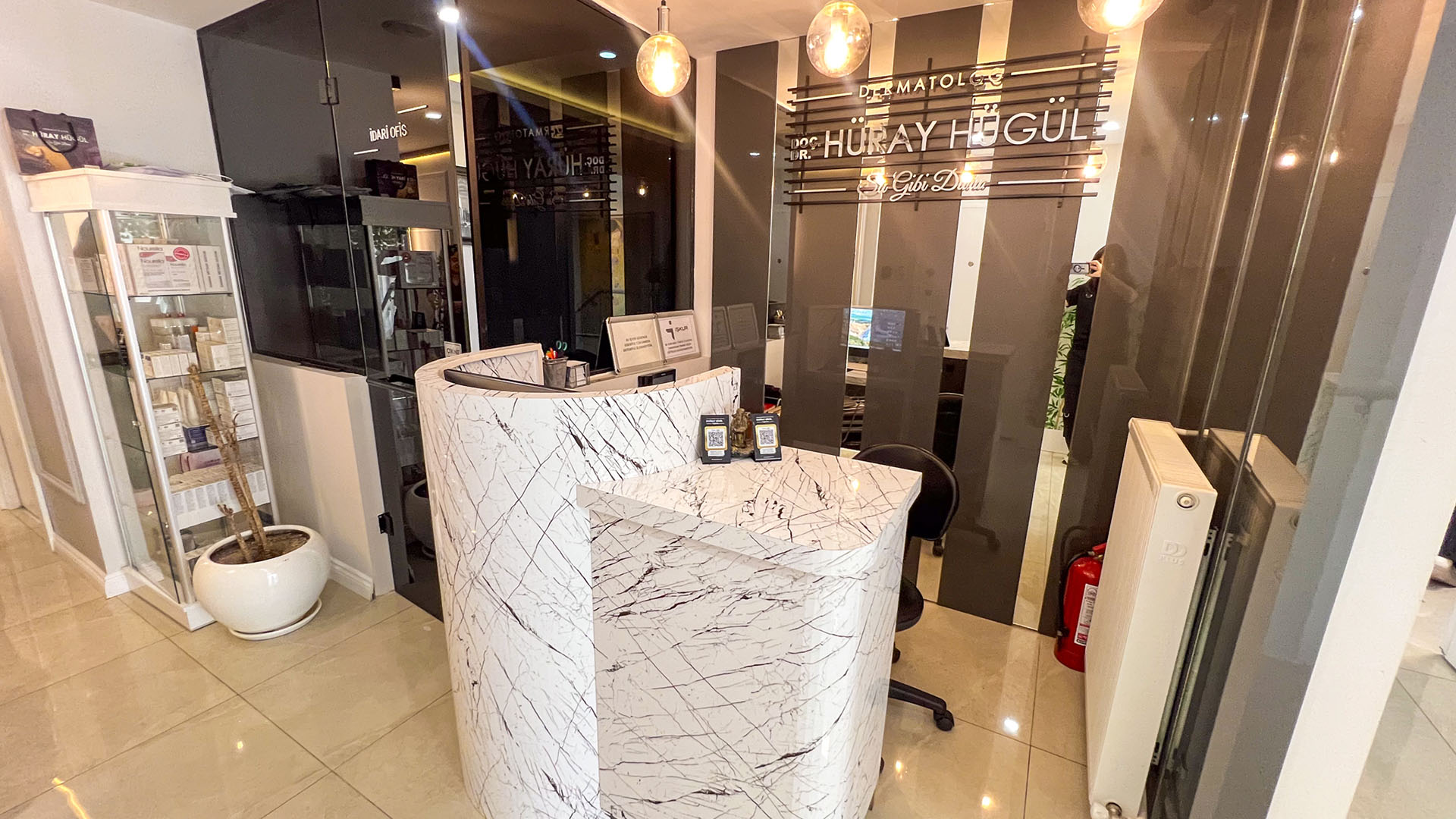
All images belong to our clinic. Every procedure is carried out in line with hygiene, sterilisation and medical supervision standards. The treatment plan is personalised and defined after consultation.
Frequently Asked Questions
Is a preliminary consultation necessary for Nail Extraction?
Is this application planned the same way for everyone?
Why is an examination important?
Can a natural look be maintained?
Personalised Assessment
Book an appointment with Assoc. Prof. Hüray Hügül to determine the most suitable approach for Nail Extraction.
Request an Appointment on WhatsApp