Hyperhidrosis Botox
Botox applications are planned to soften the appearance of expression lines and create a more relaxed expression in the relevant area.
The application area and approach are determined taking into account the person's expression balance and needs.
What is Excessive Sweating Botulinum Toxin Application (Hyperhidrosis)?
Excessive sweating botulinum toxin application, medically known as a hyperhidrosis approach, helps temporarily reduce nerve transmission to the sweat glands. It is especially preferred for complaints of excessive sweating in the underarms, palms, soles of the feet, and forehead.
Under normal circumstances, sweating is a necessary mechanism for the body to maintain its heat balance. However, some individuals may experience more sweating than normal, regardless of ambient temperature or physical exertion. This condition can negatively affect daily life, social relationships, and personal comfort.
The goal of excessive sweating botulinum toxin application is to reduce the nerve signals that cause overactivity of the sweat glands. Thus, the amount of sweating in the treated area can be significantly controlled. The procedure is non-surgical, applied in a short time, and a return to daily life is usually possible on the same day.
The effect of the application varies from person to person but lasts for a certain period. The application area, dosage planning, and approach should be evaluated according to the individual's needs.
Excessive sweating botulinum toxin application can be considered as a comfort-enhancing option in situations such as sweat stains on clothes, difficulties in social or professional life due to sweaty palms, or experiencing intense sweating regardless of summer or winter.
The duration of the procedure, method of application, and the results obtained may vary from person to person. A definitive evaluation is made after an examination.
Hyperhidrosis Treatment (Botox)
Hyperhidrosis is a condition characterized by excessive sweating beyond normal physiological needs. It commonly affects areas such as the underarms, palms, and soles.
The goal of treatment is to regulate sweating levels and improve daily comfort.
Why This Treatment?
Excessive sweating can occur independently of heat or physical activity and may impact daily life, social interactions, and confidence.
Botox helps reduce stimulation of sweat glands, supporting better control of sweating.
Who May Be Suitable?
Individuals experiencing excessive sweating that affects daily life may be considered.
Results and duration vary individually.
Who Might It Be Suitable For?
How Does the Planning Process Proceed?
Assoc. Prof. Hüray Hügül Clinic, Antalya
If you are considering a hyperhidrosis botox treatment in Antalya, every procedure at our clinic is performed by Assoc. Prof. Hüray Hügül under sterile and safe conditions. Each plan is tailored to the individual, with a focus on natural-looking results.



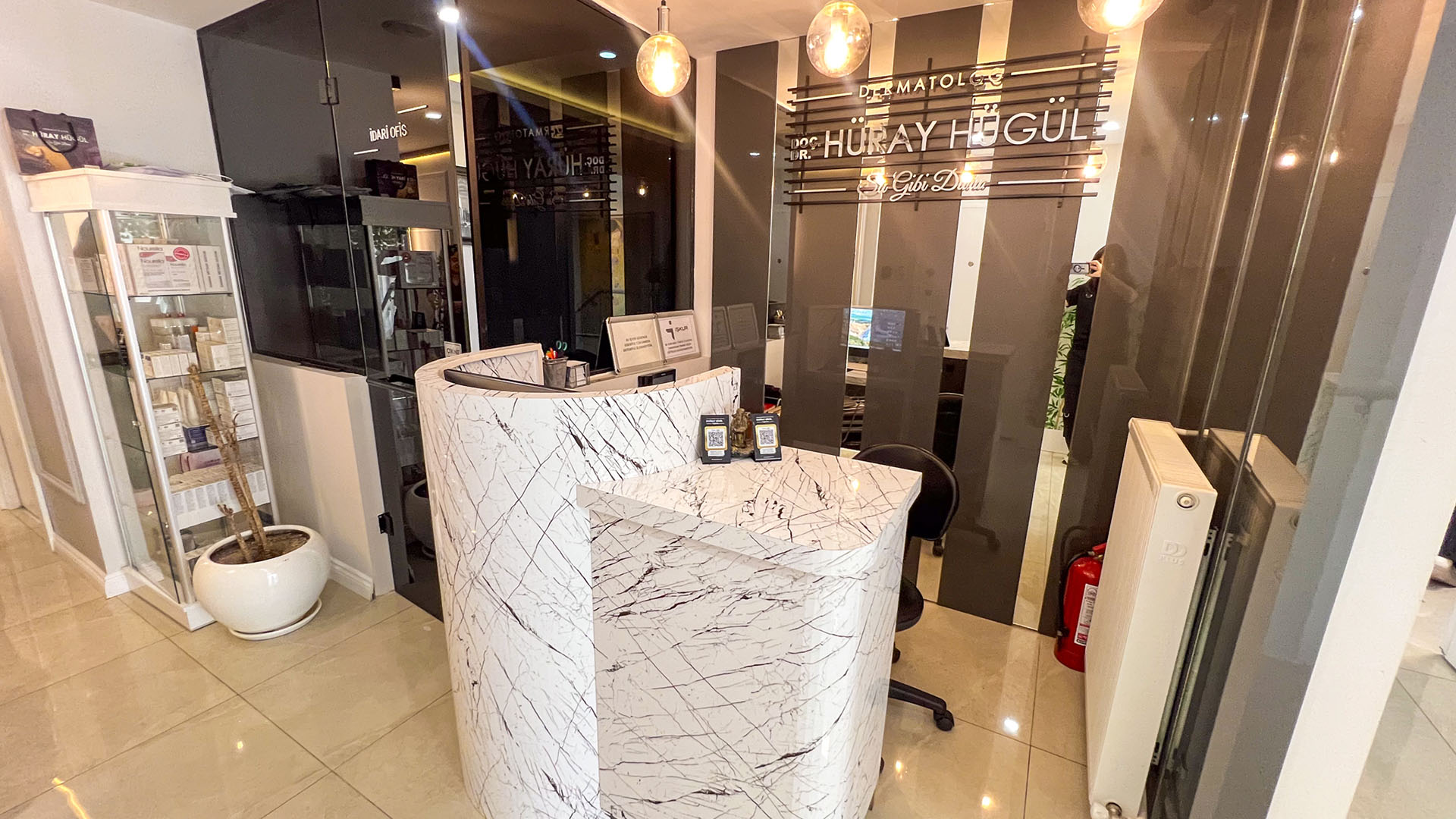
All images belong to our clinic. Every procedure is carried out in line with hygiene, sterilisation and medical supervision standards. The treatment plan is personalised and defined after consultation.
Terms and Definitions
What is Hyperhidrosis (Excessive Sweating)?
A condition of uncontrolled sweating beyond the body's physiological need, frequently affecting the axillae, palms, and soles.
What is Hyperhidrosis Botulinum Toxin Injection?
Botulinum toxin (Botox) injection for hyperhidrosis aims to reduce excessive sweating in the axillae (armpits), palms, soles of the feet, or forehead. Its effect is not permanent and can be renewed at regular intervals.
Frequently Asked Questions
Which areas can be planned for Excessive Sweating Botox (Hyperhidrosis)?
Is this application planned the same way for everyone?
Why is examination important?
Can a natural look be preserved?
Personalised Assessment
Book an appointment with Assoc. Prof. Hüray Hügül to determine the most suitable approach for Hyperhidrosis Botox.
Request an Appointment on WhatsApp