Dermatosurgery
This procedure is among the physician-administered applications planned in line with dermatological assessment and clinical needs.
The scope and method of the application are clarified according to the findings obtained during the examination.

What is Dermatosurgery?
This procedure is among the clinical applications planned when deemed necessary as a result of dermatological evaluation. The aim is to create a procedure process suitable for diagnosis, evaluation, or regional needs.
Dermatosurgery Antalya
Dermatosurgery is a specialized field that involves the evaluation of certain problems observed in the skin, nails, and subcutaneous tissues by a dermatologist, and when necessary, their management through interventional methods. Moles, cysts, warts, ingrown nails, suspicious skin lesions, and some benign formations can be evaluated within the scope of dermatosurgery.
Following a dermatological examination, Assoc. Prof. Dr. Hüray Hügül plans the appropriate approach by assessing the nature and location of the lesion, the individual's general health status, and the need for pathological examination if required. The goal is not merely to remove the visible formation, but to make an accurate diagnosis, rule out risks where necessary, and determine the method that will minimize the risk of scarring.
Important: Skin lesions that show changes in color, shape, size, or border; bleed, scab, or do not heal, should be evaluated by a dermatologist without delay.
What is Evaluated Within the Scope of Dermatosurgery?
Dermatosurgery does not mean the direct removal of every skin formation. The initial step is the dermatological evaluation of the formation, dermoscopic examination if necessary, and determining the most appropriate approach.
- Suspicious or changing moles
- Skin tags and benign skin bumps
- Epidermal cysts and some subcutaneous formations
- Warts
- Ingrown nails
- Calluses and similar superficial skin thickenings
- Skin lesions that may require biopsy
- Skin diseases requiring pathological examination
Dermatological Evaluation Before Dermatosurgery
Not every mole, bump, cyst, or discoloration on the skin occurs for the same reason. Therefore, a dermatological examination is crucial before deciding on a procedure. During the examination, questions are asked about how long the lesion has been present, whether it has grown, changed color or shape, and accompanying symptoms such as bleeding, itching, pain, or discharge.
In cases deemed necessary, a detailed examination with a dermatoscope may be performed. For suspicious lesions, a biopsy or sending the removed tissue for pathological examination may be planned to clarify the diagnosis.
How is a Dermatosurgical Approach Planned?
The method to be applied varies according to the type, size, location, and diagnostic requirements of the skin problem. While follow-up may be sufficient for some formations, interventional applications under local anesthesia may be considered in some cases.
In suitable patients, surgical removal of the lesion, biopsy, a procedure for the problematic part of an ingrown nail, or different dermatological interventions may be planned. Before the application, the expected healing process, wound care, potential risk of scarring, and the need for pathology are evaluated in detail.
Especially in areas prone to scar development, such as the face, neck, and chest, the medical necessity of the procedure and aesthetic outcome expectations should be considered together.
Post-Procedure Care and Follow-up
Post-procedure care is custom-planned according to the type and area of the application. Keeping the area clean, adhering to recommended dressing routines, sun protection, and not missing control appointments support the healing process.
In cases where pathological examination is performed, the results are evaluated, and if necessary, a subsequent follow-up plan is created. In situations such as increased pain, widespread redness, discharge, fever, or unexpected bleeding after the procedure, the clinic should be contacted.
Frequently Asked Questions About Dermatosurgery
Should every mole be removed?
No. Not every mole needs to be removed. However, new moles, those that are growing, changing color or shape, bleeding, or itching, should be evaluated by a dermatologist.
Is pathology needed after a mole removal?
The need for pathology is determined by the clinical appearance of the lesion, dermoscopic evaluation, and the physician's medical opinion. For suspicious formations, pathological examination is important for clarifying the diagnosis.
Are dermatosurgical procedures painful?
For necessary interventions, the application area can be numbed with local anesthesia. Any sensitivity that may occur after the procedure varies depending on the specific application and is managed with care recommendations.
Will there be a scar after the procedure?
Scar formation can vary depending on the type of procedure, the size and location of the lesion, skin structure, and the healing process. Appropriate technique and regular care support a better healing process.
Is an ingrown nail part of dermatosurgery?
Yes. Painful, inflamed, or recurrent ingrown nail cases can be dermatologically evaluated within the scope of dermatosurgery.
Dermatosurgery Evaluation in Antalya
If you have a changing mole, a long-standing formation, cyst, wart, or ingrown nail complaint on your skin, you can determine the correct approach with a dermatological examination. For a dermatosurgery evaluation in Antalya, you can contact Assoc. Prof. Dr. Hüray Hügül.
Who Might It Be Suitable For?
How Does the Planning Process Proceed?
Which Areas Are Treated?
Assoc. Prof. Hüray Hügül Clinic, Antalya
If you are considering a dermatosurgery treatment in Antalya, every procedure at our clinic is performed by Assoc. Prof. Hüray Hügül under sterile and safe conditions. Each plan is tailored to the individual, with a focus on natural-looking results.
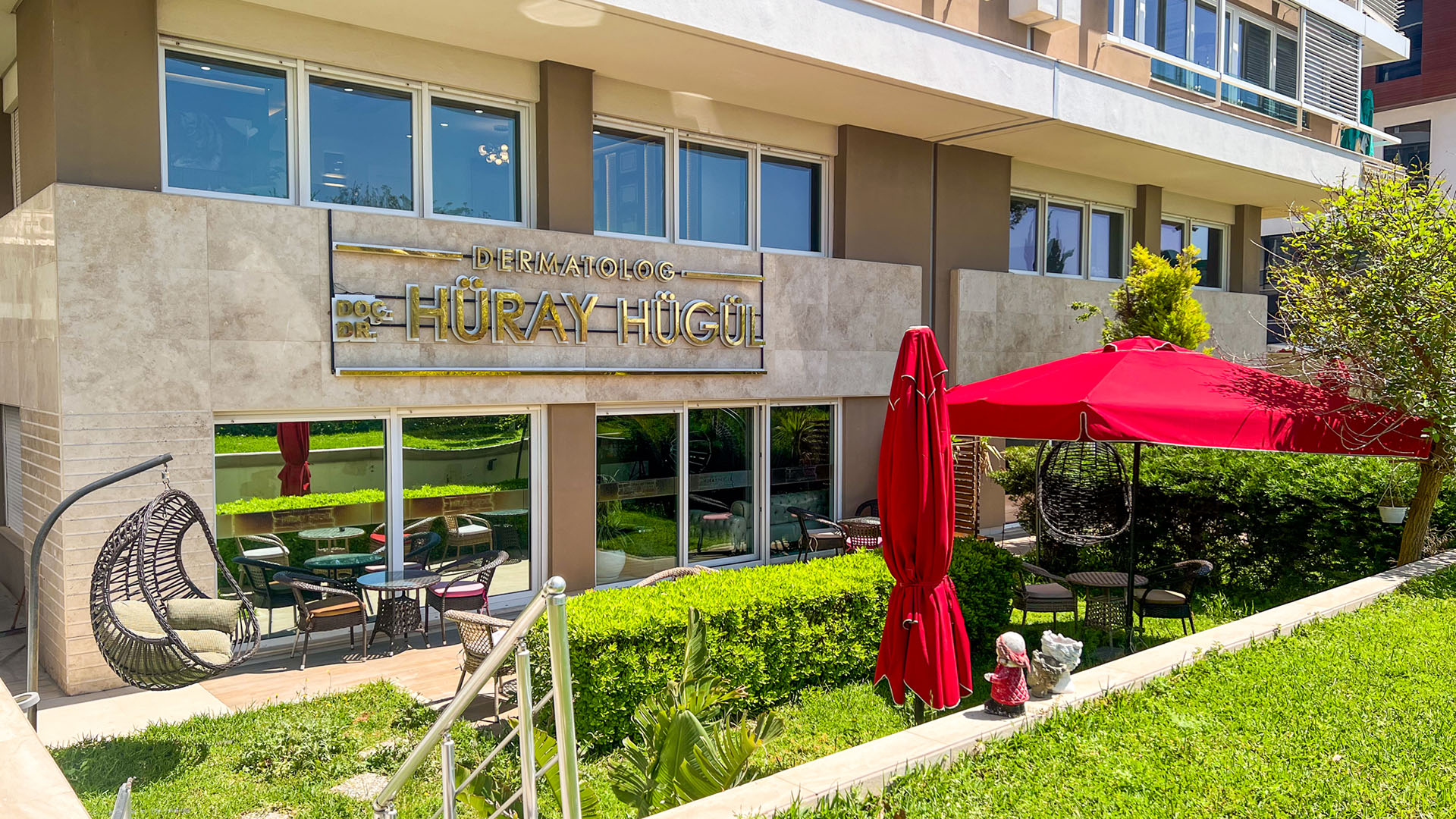



All images belong to our clinic. Every procedure is carried out in line with hygiene, sterilisation and medical supervision standards. The treatment plan is personalised and defined after consultation.
Terms and Definitions
Short Definitions
What is Callus / Corn?
Thickened, hardened areas of skin that develop due to repeated friction or pressure.
What is Xanthelasma?
Xanthelasma refers to yellowish, fat-containing deposits on the eyelids. It can also occur in people with normal blood lipid levels; assessment and treatment are planned individually.
Frequently Asked Questions
Is a preliminary consultation necessary for dermatosurgery?
Is this application planned in the same way for everyone?
Why is the examination important?
Can a natural look be maintained?
Personalised Assessment
Book an appointment with Assoc. Prof. Hüray Hügül to determine the most suitable approach for Dermatosurgery.
Request an Appointment on WhatsApp
Antalya Wart Removal with Laser: Process, Pain, and Recovery
Laser wart application in Antalya: how does it work, is it painful, does it leave scars, how long does recovery take, and is it completed in a single session?
What Is Under-Eye Micro-Sphere Application?
The eye area is one of the regions that most quickly changes facial expression. Many factors such as insomnia, aging, genetic predisposition, thinning skin, volume loss, and lifestyle can cause a tired, shadowed, or sunken appearance under the eyes. This can give the face a more fatigued, pale, or aged expression even when the person is well-rested.
What Is Carbon Laser? Skin Rejuvenation with Q-Switch Carbon Peeling
Carbon laser is one of the aesthetic dermatology applications preferred for its supportive role in addressing pore appearance, oiliness, dull skin tone, and skin texture irregularities. It involves targeting a carbon solution, applied to the skin surface, with Q-Switch laser energy.