Burn Scar Treatment in Antalya
After a burn has healed, the skin may retain discolouration, redness, elevation, firmness, itching or an uneven texture. The appearance of a burn scar varies according to the depth of the injury, healing time, affected area, skin characteristics and individual wound-healing tendency. At our clinic in Antalya, burn scars are assessed during a dermatological examination. The plan is based on the scar’s age, colour, thickness, firmness and location together with the patient’s skin characteristics. The aim is not to promise complete removal of the scar, but to achieve a realistic improvement in its colour, texture, elevation and associated discomfort.
This application is planned following a dermatological assessment to address the need for improved appearance and comfort in the skin or the relevant area.
The aim is to create a controlled approach tailored to the individual's skin structure and needs.
Important: This page is not for fresh burns
This page concerns the dermatological assessment of scars after the burn wound has closed. Fresh, open, blistered, large or deep burns; burns affecting the face, hands, feet, genital area or joints; and chemical or electrical burns may require urgent medical assessment. In such cases, contact emergency services or attend the nearest emergency department.
Why do burn scars form?
After a burn, the skin produces new collagen to repair damaged tissue. Healing does not progress in the same way for everyone. Some marks become less noticeable over time, while others remain raised, firm, red, dark or lighter than the surrounding skin.
- Depth and size of the burn
- Time required for the wound to close
- Whether infection occurred
- Location on the body
- Skin colour and wound-healing characteristics
- Sun exposure
- Tendency to develop hypertrophic scars or keloids
- Previous treatments
Which burn scars can be assessed?
Red burn scars
Recently healed scars may remain red because of increased vascularity. Their stage of maturation helps determine the appropriate approach.
Dark or light burn marks
A burn may leave brown pigmentation or areas that are lighter than the surrounding skin. Skin type and sun exposure are particularly important when assessing pigment changes.
Raised and firm burn scars
Raised scars confined to the original wound may be hypertrophic, while scars extending beyond the original borders may represent keloids. These conditions require different approaches.
Depressed or uneven scars
Some burn scars cause depressions, roughness or a visible difference in level compared with the surrounding skin.
Itchy or tight scars
Burn scars are not always only a cosmetic concern. Itching, tenderness, firmness, tightness or restricted movement are considered during planning.
How is burn scar treatment planned?
There is no single treatment suitable for every burn scar. The examination considers when the burn occurred, whether the wound has fully closed, and the scar’s colour, thickness, firmness and surface texture.
Symptoms such as itching, pain, tightness or restricted movement, along with skin type, pigmentation risk, keloid history and previous treatments, are also reviewed.
The resulting individual plan may include observation, skin care, sun protection, medical treatments or device-based procedures.
Methods that may be considered for burn scars
Treatment is selected according to the clinical characteristics of the scar. Not every option is necessary or suitable for every patient.
Medical scar care
Once the wound has fully closed, selected patients may be advised to use silicone-based products, moisturisation, sun protection or other medical scar-care measures. Product selection should reflect the scar type and healing stage.
Treatments for raised scars
For hypertrophic or keloid-type scars, dermatological treatments aimed at reducing elevation, firmness and associated symptoms may be considered.
Laser and device-based procedures
Different laser or energy-based procedures may be considered according to the scar’s colour, vascularity, thickness and texture. Not every laser is suitable for every burn scar. Device and energy selection must be individualised, especially in darker skin types where pigment changes may occur.
Combination plans
A scar may have redness, elevation and textural irregularity at the same time. A staged combination approach may therefore be considered for selected patients.
Can a burn scar disappear completely?
No method can guarantee complete removal of a burn scar. Treatment aims to reduce its visibility, improve the colour and texture, and relieve symptoms such as itching or tightness where possible.
The degree of change varies according to burn depth, scar age, healing characteristics and individual response to treatment.
When can burn scar treatment begin?
Scar management should be assessed after the burn wound has fully closed, but not every procedure begins at the same stage. Sun protection and medical scar care may be prioritised early, while the timing of laser or device-based procedures depends on scar maturation.
Older burn scars can also be assessed. Their age does not automatically prevent treatment, although realistic expectations should be discussed after examination.
How does the treatment process proceed?
- The burn history and previous treatments are reviewed.
- The scar’s colour, height, firmness and texture are examined.
- Skin type and pigmentation risk are assessed.
- Suitable options and realistic expectations are discussed.
- A staged or combination plan is prepared if needed.
- Response is reassessed during follow-up.
The number of sessions varies according to the scar and its response. A fixed session count or guaranteed result is not given before examination.
Burn scar assessment in Antalya
At the clinic of Assoc. Prof. Dr. Hüray Hügül in Muratpaşa, Antalya, burn scars are assessed according to their clinical features and the patient’s skin characteristics.
An individual dermatological plan is prepared after examination for patients visiting from Muratpaşa, Lara, Konyaaltı, Kepez and surrounding districts of Antalya.
An individual assessment for your burn scar
The type of burn scar and its suitability for treatment cannot be determined conclusively from a photograph alone. A dermatological examination allows the scar to be assessed and appropriate options to be explained.
This page provides general information and does not replace diagnosis, emergency care or individual medical advice. Suitability and treatment planning are determined after a dermatological examination.
Which Areas Are Treated?
Assoc. Prof. Hüray Hügül Clinic, Antalya
If you are considering a burn treatment treatment in Antalya, every procedure at our clinic is performed by Assoc. Prof. Hüray Hügül under sterile and safe conditions. Each plan is tailored to the individual, with a focus on natural-looking results.
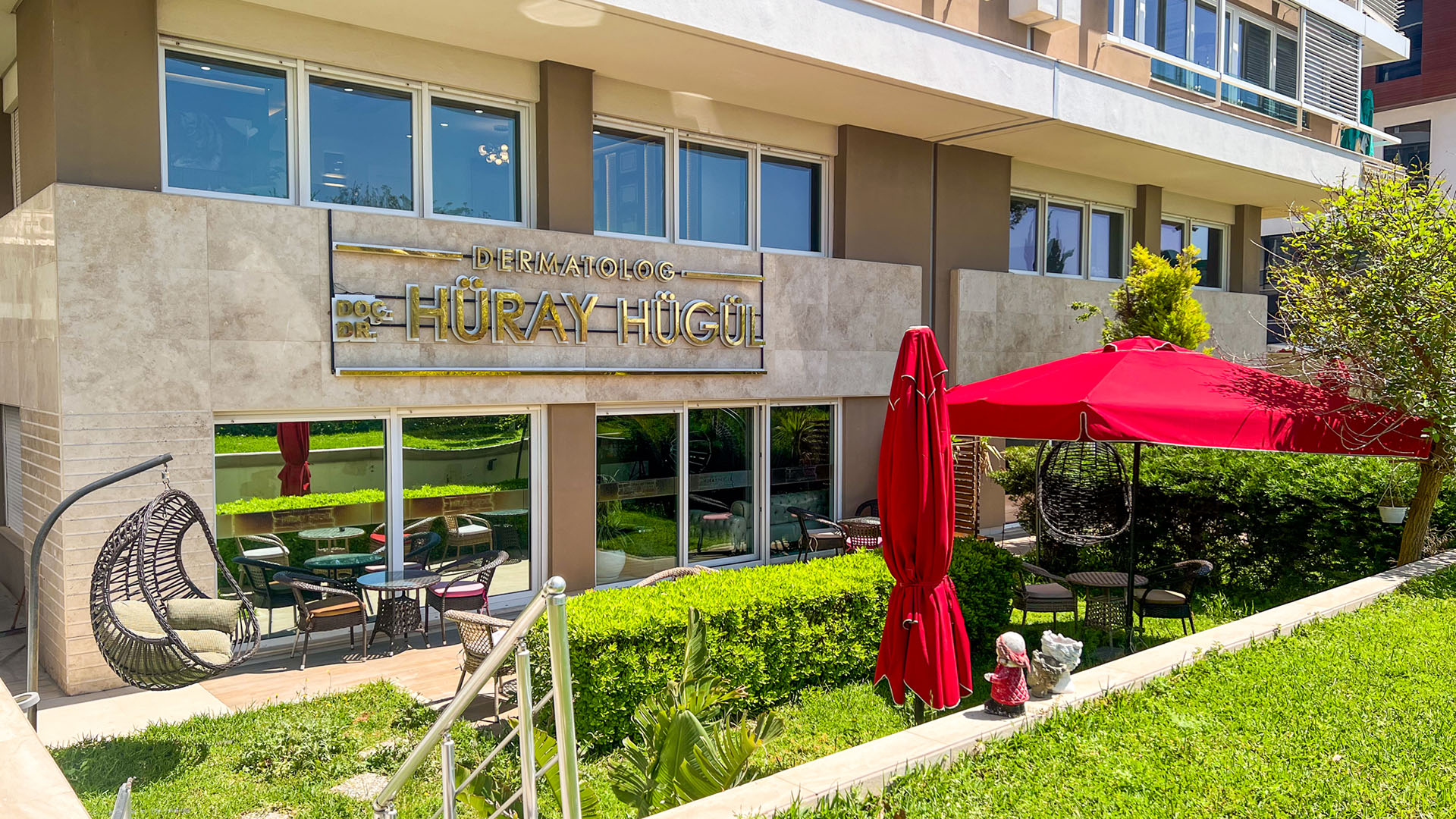
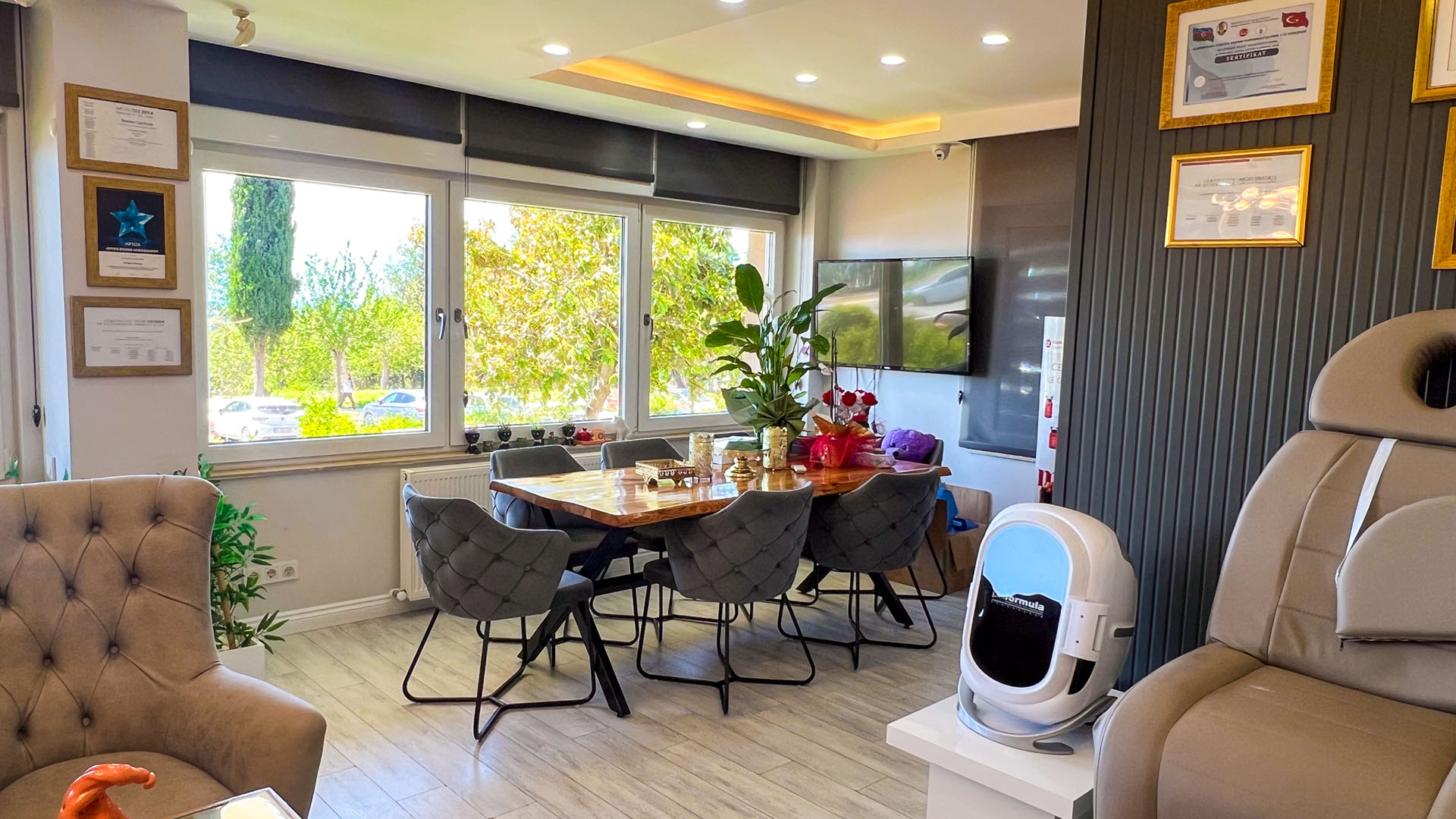
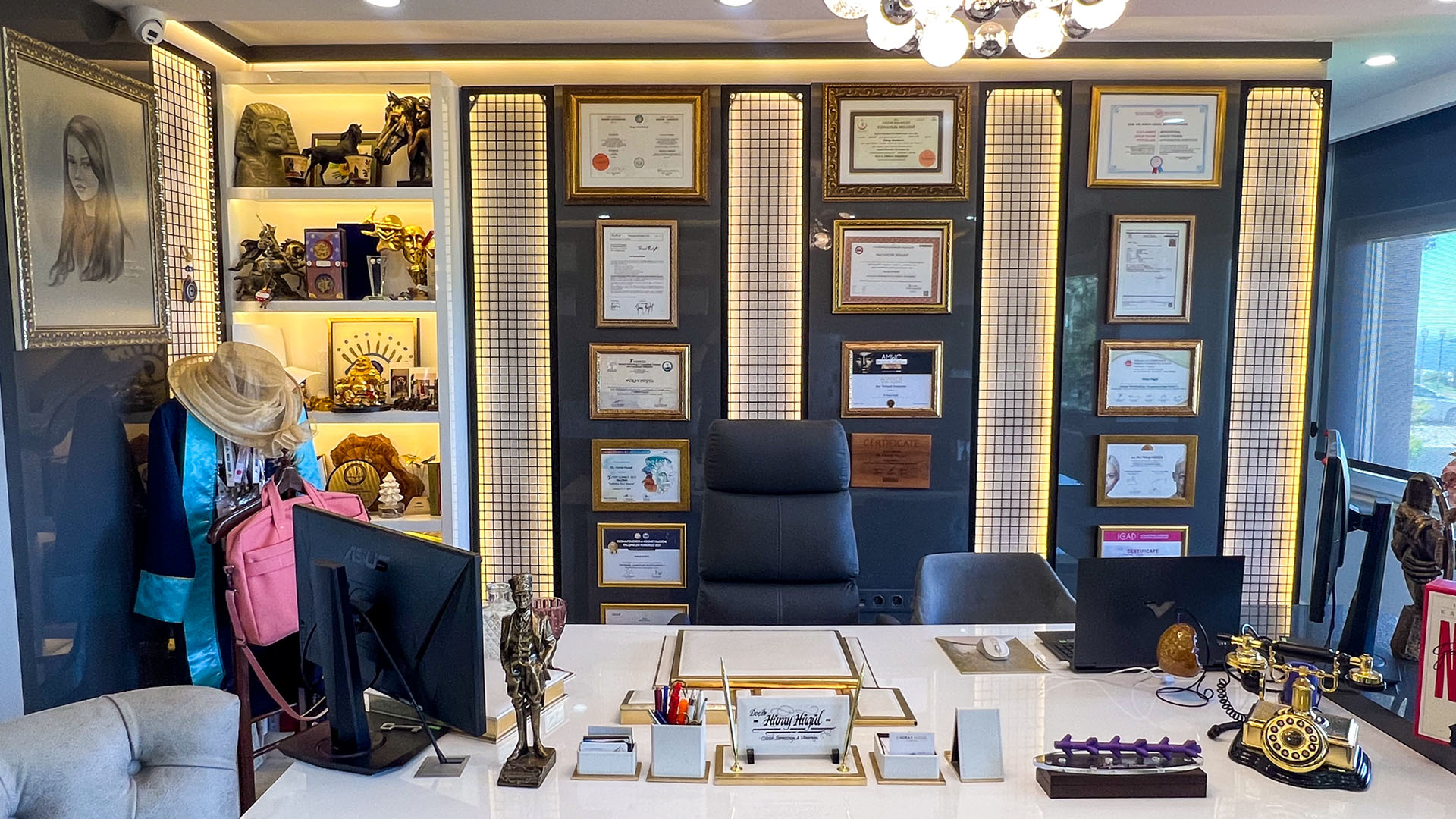
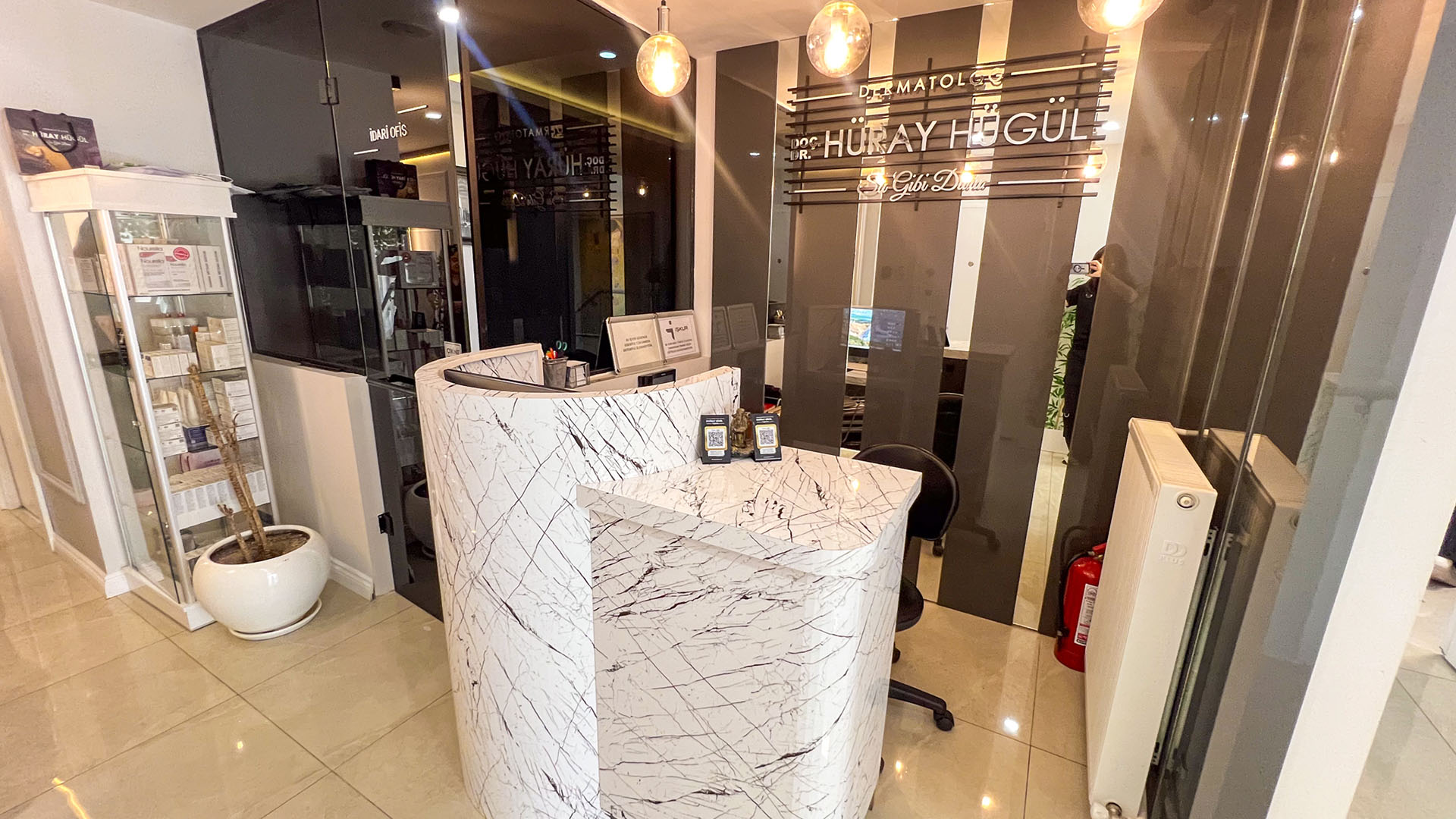
All images belong to our clinic. Every procedure is carried out in line with hygiene, sterilisation and medical supervision standards. The treatment plan is personalised and defined after consultation.
Frequently Asked Questions
Do you treat newly occurring burns at the clinic?
Can old burn scars be treated?
Can a burn scar be removed completely?
Is laser suitable for every burn scar?
How many sessions are required?
Can raised burn scars be treated?
Can dark marks after a burn be treated?
Can treatment be performed during summer?
Is using a scar cream at home enough?
Is burn scar treatment painful?
Can burn scars in children be assessed?
How is the cost of burn scar treatment determined?
Personalised Assessment
Book an appointment with Assoc. Prof. Hüray Hügül to determine the most suitable approach for Burn Treatment.
Request an Appointment on WhatsApp