Acne Care
This application is planned following a dermatological assessment to address the need for improved appearance and comfort in the skin or the relevant area.
The aim is to create a controlled approach tailored to the individual's skin structure and needs.
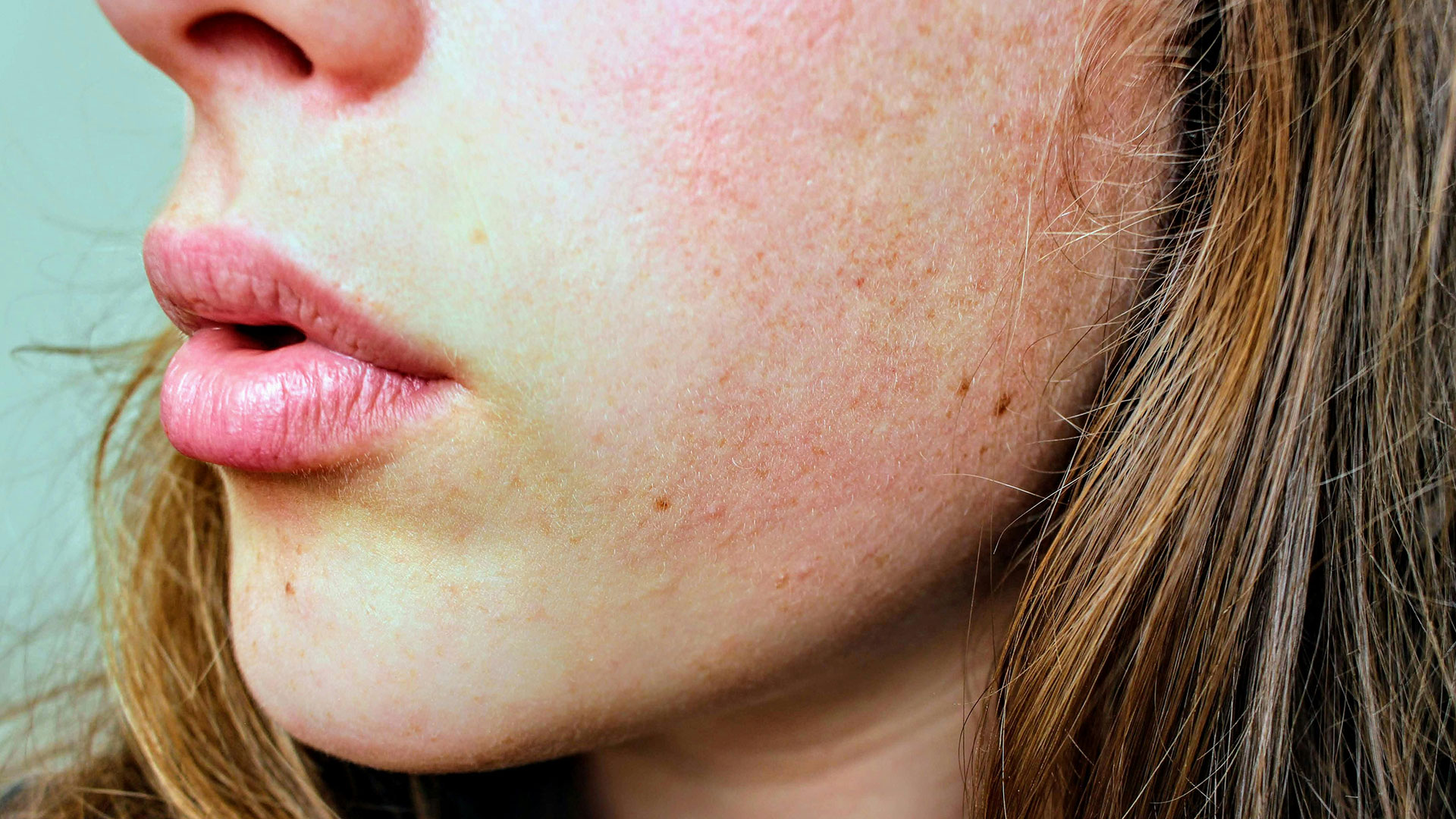
What is Acne Care?
Acne is a skin condition that can arise from a combination of oil balance, pore structure, and environmental factors. It can manifest as pimples, blackheads, and sometimes lesions that may leave scars. Therefore, approaches to acne aim to address not only the visible symptoms but also the overall balance of the skin.
Acne applications are a set of methods planned to support skin structure, balance pore appearance, and create a healthier skin look. Since every skin is different, this process is evaluated individually.
How Does Acne Occur?
Acne formation typically occurs due to a combination of several factors. These include:
Increased oil production in the skin Pore clogging Bacterial factors Hormonal changes Skin care habits
When these factors are considered together, it becomes clear that the approach to acne should be holistic rather than one-sided.
How is an Acne Approach Planned? The first step in planning for acne is to accurately analyze the current condition of the skin, as not all acne types are the same.
During the evaluation process, factors such as: type of acne area of spread skin sensitivity scar or blemish status are considered.
This allows for a more balanced and appropriate roadmap for the skin.
Acne Care Antalya
Acne is not merely a few pimples visible on the skin surface. The working mechanism of oil glands, pore blockage, skin barrier, hormonal influences, microbial balance, and inflammation all play a role simultaneously. Therefore, for a lasting and balanced outcome, acne care must be tailored to the individual.
Acne care at Assoc. Prof. Dr. Hüray Hügül's clinic in Antalya is approached holistically to reduce active acne appearance, control the formation of new lesions, support the skin barrier, and minimize the risk of post-acne marks or scars.
Not every skin speaks the same language. While some skins predominantly exhibit blackheads, others may show more pronounced red and inflamed acne, hormonal breakouts along the jawline, sensitivity, oiliness, a tendency for hyperpigmentation, or a risk of scarring. For this reason, acne care should not follow a "single product, single procedure" logic; instead, it should progress with a clinical plan customized to the skin's needs.
What is Acne Application?
Acne applications encompass planned approaches designed to reduce active acne appearance on the skin and support skin balance. The goal is not merely to dry out existing pimples but to address the tendency for acne recurrence, pore blockage, excessive sebum production, inflammation, and skin barrier impairment simultaneously.
The methods used in acne care are determined by the individual's age, the severity of acne, skin type, tendency for marks and scars, previously used products, and any accompanying hormonal or medical factors. Therefore, the care plan is created specifically for the individual after examination and skin assessment.
Why Does Acne Occur?
There is usually no single cause for acne formation. Many factors, like a small orchestra beneath the skin, work simultaneously. When one of these factors loses its balance, comedones, blackheads, whiteheads, red pimples, inflamed acne, or deeper nodular lesions may appear on the skin surface.
- Excessive sebum production: Overactive oil glands can make pores more prone to clogging.
- Pore blockage: Accumulation of dead skin cells and sebum can lead to the formation of blackheads, whiteheads, and comedones.
- Inflammation: Redness, sensitivity, and painful pimples can indicate a prominent inflammatory process.
- Hormonal influences: Hormonal factors may be considered, especially in recurrent acne along the jawline, around the mouth, and on the neck.
- Incorrect product use: Products that excessively dry the skin, are comedogenic, or disrupt the barrier can worsen acne.
- Stress, sleep, and lifestyle: Although not affecting everyone in the same way, stress and an irregular lifestyle can increase the inflammatory tendency in the skin.
- Tendency for marks and scars: Picking at acne, delayed care, or deep inflammation can leave scars and discolorations on the skin.
Who is Acne Care Suitable For?
Acne care can be planned not only for adolescents but also for men and women experiencing acne problems in adulthood. Clinical evaluation is particularly important for recurring acne, acne prone to scarring, or acne that affects an individual's social life.
- Those with recurrent acne on the face, back, chest, or neck.
- Those bothered by the appearance of blackheads, whiteheads, and comedones.
- Those with red, inflamed, or painful acne lesions.
- Those experiencing recurrent hormonal acne complaints along the jawline.
- Those concerned about post-acne marks or scar formation.
- Those who have used many products previously but haven't achieved consistent results.
- Those with accompanying oiliness, sensitivity, or skin barrier disruption due to acne.
Acne Care Approach at Assoc. Prof. Dr. Hüray Hügül's Clinic
At Assoc. Prof. Dr. Hüray Hügül's clinic in Antalya, acne care is planned not only based on the skin's current appearance but also on the behavior pattern of the acne. The goal of the care is to soothe active acne, protect the skin barrier, reduce new acne formation, and manage the risk of marks and scars as early as possible.
- Skin analysis and determination of acne type: Comedonal, inflammatory, nodular, cystic, hormonal, or adult acne characteristics are evaluated.
- Controlling active acne: An appropriate plan is created for skin redness, oiliness, inflammation, and pore blockage.
- Supporting the skin barrier: Efforts are made to maintain skin balance without causing excessive dryness, irritation, or sensitivity.
- Assessing the risk of marks and scars: Post-acne dark marks, redness, and scarring tendencies are included in the care plan.
- Adjusting the home care routine: Cleansers, moisturizers, sunscreens, and care-supporting products are simplified according to skin type.
- Control and follow-up: As acne is a dynamic process, the care plan may be updated based on the skin's response.
Methods That Can Be Used in Acne Care
The method to be used in acne care is determined by the type and severity of the acne. For some individuals, regular medical skin care and a home routine may suffice, while in some cases, dermatological medications, professional applications, or secondary-stage approaches for post-acne scars and marks may be necessary.
Medical Skin Care and Pore Management
Professional care applications planned according to the skin's needs can help reduce pore blockage, purify the skin surface, and support more balanced use of care products. Aggressive squeezing and irritating procedures should be avoided in acne-prone skin.
Topical Application and Home Care Plan
Based on physician assessment, approaches containing retinoids, benzoyl peroxide, azelaic acid, salicylic acid, or antibiotics may be planned. These products should not be used indiscriminately; instead, the skin's tolerance, sensitivity, and acne type must be considered.
Chemical Peeling and Skin Renewal Support
In suitable skin types, controlled peeling applications can be supportive for pore blockage, oiliness, dull appearance, and post-acne tone unevenness. The peeling plan should be determined according to the season, skin tone, sensitivity status, and sun exposure.
Light and Energy-Based Supports
In some types of acne, supportive applications targeting redness, inflammation, or the appearance of post-acne scars may be evaluated. These procedures should be chosen individually based on the severity of active acne and skin structure.
Acne Mark and Acne Scar Approaches
After active acne is brought under control, a separate care stage can be planned for post-acne brown marks, redness, pitted scars, or textural irregularities. Patience, correct timing, and a combination approach are crucial in scar care.
Systemic Care Assessment When Necessary
For widespread, nodular, cystic, high-risk scarring, or resistant acne, orally administered medications may come into consideration. This decision must be made with physician examination, medical history, and a follow-up process.
Why Should Acne Care Be Personalized in Antalya?
In Antalya, intense sun, humidity, perspiration, and seasonal temperature changes can make product selection and care timing even more critical for acne-prone skin. Especially when planning peeling, mark care, or energy-based applications, sun protection habits must be thoroughly evaluated.
Therefore, the Antalya acne care plan aims not only to reduce acne but also to manage the skin without irritation, minimize the risk of sun spots, and establish a sustainable care routine that fits the individual's daily life.
Frequently Asked Questions
How long does acne care take?
The duration of acne care can vary depending on the type and severity of acne, the skin's response, and the chosen methods. In some skin types, significant improvement may be seen within a few months, while in others, longer-term follow-up and care may be required.
Can acne care be done in Antalya during summer?
Acne care can be performed during the summer months; however, method selection must be carefully planned according to sun exposure, skin tone, tendency for hyperpigmentation, and the products to be used. Sunscreen use and correct product selection are important parts of care in sunny regions like Antalya.
Are acne scars addressed simultaneously with active acne?
The priority is usually to bring active acne under control. Starting scar care while active inflammation persists may not always be appropriate. Once the acne has subsided, a separate care plan can be created for marks, redness, or pitted scars.
Is only skin care sufficient for acne?
For mild comedonal acne, regular medical care and a correct home routine can be beneficial. However, for inflamed, painful, hormonal, widespread, or scarring-prone acne, skin care alone may not be sufficient; medical applications may be necessary with a physician's assessment.
Does picking pimples leave scars?
Yes, especially picking deep and inflamed lesions can increase the risk of marks, redness, and pitted scars on the skin. Instead of interfering with acne, controlling inflammation with an appropriate care plan is a safer approach.
How is hormonal acne understood?
Hormonal acne mostly manifests as recurrent, periodically worsening, and sometimes painful lesions along the jawline, around the mouth, and on the neck. However, a definitive diagnosis cannot be made solely by appearance; the individual's history and, if necessary, additional evaluations are important.
Which products should be avoided in acne care?
Comedogenic, excessively oily, overly drying, perfumed, or products containing too many active ingredients simultaneously can worsen acne and sensitivity in some skin types. During the care process, a simple routine, suitable for the skin type and determined with physician advice, should be preferred.
Is isotretinoin necessary for acne care?
Isotretinoin is not necessary for every acne patient. It is generally considered for severe, nodular, cystic acne, acne with a high risk of scarring, or acne resistant to other applications. This application must be planned under medical supervision, with appropriate tests and follow-ups.
Does acne recur after care?
Acne can recur periodically in some individuals. Therefore, protective care after the application, correct product selection, sun protection, and control examinations when necessary are important. After the application is finished, the skin should not be left to its own devices; a simple but sustainable care routine should be established.
When should one consult the clinic for acne care?
If acne is painful, leaves scars, recurs frequently, does not improve despite home products, or affects the individual's self-confidence and social life, clinical evaluation should not be delayed. Early planning is important for reducing the risk of scars and marks.
Clinical Assessment for Acne Care in Antalya
The right start in acne care is to interpret the skin well. When active acne, oiliness, pore blockage, sensitivity, and the risk of marks and scars are evaluated together, a more balanced and sustainable care plan can be created.
You can contact the clinic to get information about acne care and to evaluate the approach suitable for your skin at Assoc. Prof. Dr. Hüray Hügül's clinic in Antalya.
Disclaimer: This content is for general informational purposes only. The products, medications, or applications to be used in acne care should be determined by a physician based on the individual's skin structure, medical history, and examination findings.
Who Might It Be Suitable For?
How Does the Planning Process Proceed?
Assoc. Prof. Hüray Hügül Clinic, Antalya
If you are considering a acne care treatment in Antalya, every procedure at our clinic is performed by Assoc. Prof. Hüray Hügül under sterile and safe conditions. Each plan is tailored to the individual, with a focus on natural-looking results.




All images belong to our clinic. Every procedure is carried out in line with hygiene, sterilisation and medical supervision standards. The treatment plan is personalised and defined after consultation.
Frequently Asked Questions
Under what circumstances can acne care be considered?
Is this application planned the same way for everyone?
Why is an examination important?
Can a natural look be preserved?
Personalised Assessment
Book an appointment with Assoc. Prof. Hüray Hügül to determine the most suitable approach for Acne Care.
Request an Appointment on WhatsApp
Teenage Acne: A Practical Guide for Teens and Parents
Teenage acne is common, but it does not have to be dismissed as something to simply endure. A calm, consistent and individualised approach can help manage breakouts and reduce the risk of lasting marks.
Acne Care Antalya: Pimple Types and Care Approach
Acne types, the effect of Antalya's sunny and humid climate on acne and blemishes, and the care and supportive procedures performed at the clinic.